
Calcium Supplements: What You Need to Know Before Taking Them
Here’s a statistic that might change the way you think about calcium supplements.
The countries that consume the most calcium — the USA, Scandinavia, Australia — have among the highest rates of osteoporosis in the world. The countries with the lowest calcium intake often have the lowest rates.
This is known as the calcium paradox, and it’s one of the most important clues we have about why calcium supplementation, for most people, is not the straightforward answer to bone health that it’s often made out to be.
Calcium itself is essential — your body cannot function without it. But the way calcium supplements have been marketed, especially for women over 50, has oversimplified a genuinely complex picture. For some people, taking the wrong form of calcium, in the wrong dose, without the right cofactors, may actually be doing more harm than good.
This article covers everything you need to know: why your body needs calcium, when supplementation is actually warranted, the risks that most people are never warned about, and how to supplement correctly if you do need it. If you’re currently taking a calcium supplement — or your doctor has recently recommended one — some of this may surprise you.
Table Of Contents
- Key Takeaways
- Why Your Body Needs Calcium
- How Much Calcium Do You Actually Need?
- Who Actually Needs a Calcium Supplement?
- The Risks of Calcium Supplementation
- The Cofactors: Why Calcium Doesn’t Work Alone
- Choosing the Right Form of Calcium
- Drug Interactions You Need to Know About
- How to Actually Test Your Calcium Status
- Don’t Forget Exercise
- Summary: Key Principles for Calcium Supplementation
- Still not sure what Is driving your symptoms?
- Frequently Asked Questions
Key Takeaways
- More calcium doesn’t mean stronger bones. Countries with the highest calcium intake have some of the world’s highest rates of osteoporosis. Calcium is essential, but supplementing blindly is not the answer.
- Most people eating a varied diet are already meeting their calcium needs through food — and dietary calcium behaves differently in the body than supplemental calcium.
- Calcium supplements carry real risks — including kidney stones and cardiovascular disease — particularly when taken in high doses, in poorly absorbed forms, or without the right cofactors.
- Vitamin D, Vitamin K2, and magnesium are not optional extras. Without them, calcium is far less likely to end up in your bones — and more likely to end up in your arteries.
- A standard blood calcium test won’t tell you if your bones are healthy. PTH, Vitamin D levels, and a DEXA scan give a much clearer picture of your true calcium and bone health status.
Prefer to watch instead? I break down what you need to know about calcium supplements — including who actually needs them and what to avoid — in the video below.
Why Your Body Needs Calcium
Most people know calcium is important for bones, but it performs a much wider range of functions. Calcium is involved in nerve signalling — every time a nerve impulse fires, calcium plays a role.
It’s essential for muscle contraction, including the heart muscle, and is required for blood clotting and hormone secretion. It also acts as a messenger inside cells, triggering a wide range of biological processes.
About 99% of the body’s calcium is stored in bones and teeth. The remaining 1% circulates in the blood and soft tissues — and that 1% is absolutely critical. The body will go to extraordinary lengths to maintain blood calcium within a very narrow range.

This is where it gets important. If you’re not consuming enough calcium, your body doesn’t simply run low — it begins pulling calcium out of your bones to maintain blood levels. This process is called bone resorption. When it happens chronically over years, the result is progressively less dense bone — which is exactly how osteoporosis develops.
The logic of “take more calcium to protect your bones” makes sense on the surface. The problem is that calcium metabolism is far more complicated than intake alone.
How Much Calcium Do You Actually Need?

The recommended daily intake for calcium is around 1,000 mg for most adults and 1,200 mg for adults over 50.
The reality is that most people eating a reasonably varied diet are getting close to — or meeting — this through food alone. Calcium-rich food sources include:
- Dairy products — milk, yoghurt, cheese
- Leafy green vegetables — kale, bok choy, broccoli
- Canned sardines and salmon with the bones
- Tofu, almonds, and white beans
- Fortified plant milks
The calcium supplement industry grew largely off the back of osteoporosis research in the 1980s and 90s, when a series of studies suggested that supplementing calcium could reduce bone fracture risk. It became standard advice — particularly for post-menopausal women — to take 500 to 1,000 mg of supplemental calcium daily.
More recent research has significantly complicated that picture. A key question has emerged: does supplemental calcium behave the same way as dietary calcium in the body? The evidence increasingly suggests it does not.
An Important Misconception About Blood Tests
A serum calcium blood test is almost always “normal” — even when your bones are actively being depleted. The body maintains blood calcium at the expense of bone. A normal serum calcium result does not tell you whether your calcium status is adequate. If bone health is a concern, a DEXA scan (bone mineral density test) is the relevant assessment — not a standard blood panel.
Who Actually Needs a Calcium Supplement?

There are absolutely situations where calcium supplementation is appropriate and beneficial. Supplementation is most justified when dietary intake genuinely falls short, and there are specific groups where that is more likely:
- People with diagnosed osteoporosis or osteopenia — bone density is already compromised and targeted support is needed
- Post-menopausal women — declining estrogen accelerates bone resorption, as oestrogen plays a protective role in bone remodelling
- People with very low dairy intake who are also not eating a wide range of calcium-rich plant foods
- Those with malabsorption conditions — celiac disease, inflammatory bowel disease, or post gastric bypass surgery — who may not absorb calcium efficiently regardless of intake
- People on long-term corticosteroids — these are known to deplete bone density and increase calcium requirements
The key principle in all of these cases is the same: supplementation should be filling a genuine gap. It should not be a substitute for a calcium-rich whole foods diet, and it should always be paired with the cofactors discussed below — because calcium without those cofactors is where the problems begin.
The Risks of Calcium Supplementation
Two significant risks associated with high-dose supplemental calcium have been highlighted in the research over the last two decades.
Risk 1: Kidney Stones

High supplemental calcium intake can increase the risk of kidney stones in susceptible individuals — particularly when taken without adequate fluid intake or alongside high-oxalate foods.
It’s worth noting that dietary calcium from food actually reduces kidney stone risk, by binding oxalates in the gut before they reach the kidneys. This is another area where supplemental and dietary calcium behave differently.
Risk 2: Vascular Calcification and Cardiovascular Risk

This is the more significant concern. Several large studies — including the Women’s Health Initiative — found an association between calcium supplementation and increased risk of cardiovascular events, including heart attacks and strokes.
The proposed mechanism works like this: when you take a large dose of supplemental calcium, especially a poorly absorbed form — 500 mg or more in one sitting — it can create a temporary spike in blood calcium levels. Unlike the gradual, regulated absorption of calcium from food, a supplement delivers a concentrated hit.
If the right transport proteins aren’t active — specifically those activated by Vitamin K2 and Vitamin D — that excess calcium can be deposited in soft tissues, including arterial walls. This is vascular calcification. Calcified arteries are stiffer, less flexible, and associated with higher cardiovascular risk.
Think of calcium as a building material — like concrete. You need it to build strong bones. But if it gets poured in the wrong place — into your arteries instead of your skeleton — it causes damage. The cofactors, particularly Vitamin K2, are the traffic controllers that direct calcium where it should go.
It’s important to note that this risk is primarily associated with supplemental calcium, not dietary calcium. Food sources of calcium do not appear to carry the same cardiovascular risk. This distinction is critical.
The Cofactors: Why Calcium Doesn’t Work Alone
This is arguably the most important aspect of calcium supplementation to understand. Calcium does not work in isolation. Several nutrients determine whether the calcium you take ends up in your bones where it belongs — or somewhere it shouldn’t be.
Vitamin D

Vitamin D is essential for calcium absorption in the gut. Without adequate Vitamin D, you can consume all the calcium you like and absorb very little of it. Research suggests that without sufficient Vitamin D, absorption may be as low as 10–15%. With optimal Vitamin D levels, this can rise to 30–40%.
This is why a calcium supplement without Vitamin D is significantly less effective — and why many well-formulated supplements include both.
Vitamin K2
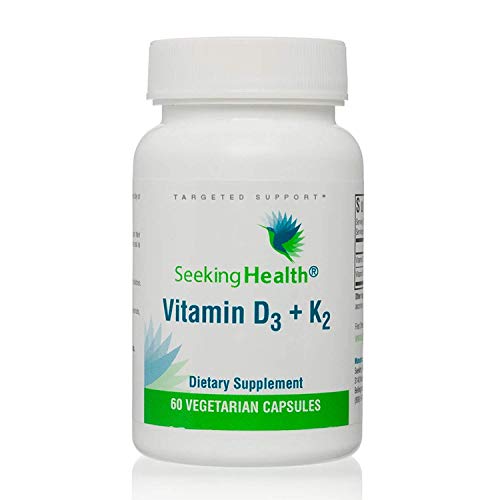
Vitamin K2 activates two critical proteins: osteocalcin, which pulls calcium into bone tissue, and Matrix GLA Protein (MGP), which actively removes calcium from arterial walls and soft tissue.
In practical terms, Vitamin K2 determines whether supplemental calcium is deposited in your skeleton or in your arteries. Without adequate K2, supplemental calcium is more likely to end up where you don’t want it.
The best dietary sources of K2 are fermented foods — particularly natto — as well as grass-fed dairy, egg yolks, and certain hard cheeses. Many people eating a Western diet are not getting adequate K2, which is part of why supplemental calcium carries a cardiovascular risk when taken without it.
Magnesium

Magnesium is required for the conversion of Vitamin D into its active form, and it plays a direct role in bone formation and remodelling. Around 60% of the body’s magnesium is stored in bone. Without adequate magnesium, the entire calcium–Vitamin D system is compromised.
People taking high-dose Vitamin D without magnesium may find it works less effectively than expected — because magnesium is needed to activate it.
Protein and the Bone Matrix

Bone is not simply a calcium structure. Roughly 30% of bone is made up of collagen — a protein matrix onto which calcium is deposited, forming the hydroxyapatite structure of bone (calcium and phosphorus crystals embedded in a collagen scaffold).
Adequate protein intake is essential for maintaining that scaffold. This is partly why calcium hydroxyapatite supplements are formulated the way they are — they provide calcium in a form that more closely resembles the structure of actual bone, including trace minerals and collagen components.
Choosing the Right Form of Calcium
If you’ve determined that you do need a calcium supplement, the form you choose matters significantly. Here is a breakdown of the main options.
Calcium Carbonate
The most common and cheapest form, found in most standard pharmacy supplements and in antacids like Tums. It has a high percentage of elemental calcium by weight, but requires adequate stomach acid to be absorbed properly.
If you have low stomach acid — which becomes more common with age — absorption is poor. It should be taken with food to stimulate acid secretion. For older adults, this is generally not the first-choice form and can be problematic if poorly absorbed.
Calcium Citrate
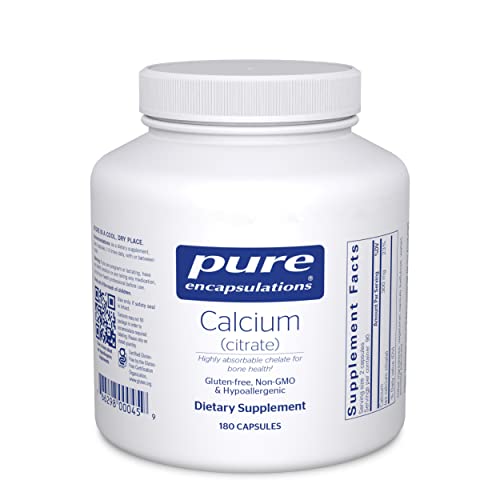
A better option for most people, and particularly for older adults. Calcium citrate does not require stomach acid for absorption and can be taken with or without food.
It is more easily absorbed than carbonate, though it contains less elemental calcium per tablet. For most adults without specific bone loss concerns, this is a solid, reliable choice.
Calcium Hydroxyapatite

Calcium derived from bone, in the same form found in human bone — alongside phosphorus, trace minerals, and naturally occurring growth factors. Some research suggests it may be more effective than other forms for preserving bone mineral density.
It is a premium option and tends to cost more, but for patients with significant bone loss concerns it is worth considering.
Calcium Bisglycinate

A chelated form of calcium, bound to the amino acid glycine. It is highly soluble, well absorbed, and tends to be the gentlest on the digestive system. It is typically the most expensive form, but for people who experience digestive issues with other calcium supplements — bloating, constipation — bisglycinate may be the best option.
Critical Dosing Note
Regardless of which form you use, the body can only absorb approximately 500 mg of calcium at a time. Taking 1,000 mg in a single dose does not provide twice the benefit — it provides similar absorption to 500 mg, while significantly increasing the blood calcium spike associated with cardiovascular risk. If you are taking more than 500 mg daily, split the dose across at least two separate times.
Drug Interactions You Need to Know About

Calcium supplements can significantly interfere with the absorption of several commonly prescribed medications — a fact that doesn’t receive nearly enough attention.
- Thyroid medication (levothyroxine) — calcium supplements should be taken at least 4 hours apart. Taking them together can substantially reduce thyroid hormone absorption, potentially affecting thyroid function.
- Iron supplements — calcium inhibits iron absorption. These should never be taken together. Take iron on an empty stomach, away from calcium.
- Bisphosphonates (e.g., alendronate, prescribed for osteoporosis) — must be taken with plain water on an empty stomach. Calcium should not be taken within 30 minutes.
- Proton pump inhibitors (PPIs) — medications like omeprazole and pantoprazole significantly reduce stomach acid. Because calcium carbonate requires stomach acid to be absorbed, people on long-term PPIs are at higher risk of calcium malabsorption and, over time, reduced bone density. If you are on a PPI long-term and concerned about bone health, calcium citrate or bisglycinate are far better choices than carbonate.
If you are taking any of these medications alongside a calcium supplement, it is worth reviewing both the type of calcium and the timing.
How to Actually Test Your Calcium Status
Serum Calcium — Not the Right Test
A standard serum calcium blood test is almost never helpful for assessing calcium adequacy. The body regulates blood calcium so tightly that it stays within the normal range even when bones are actively being depleted. A normal result tells you very little about your true calcium status.
Parathyroid Hormone (PTH)
A far more informative marker is PTH — parathyroid hormone. When blood calcium starts to drop, even slightly, the parathyroid glands release PTH to pull calcium out of bone and raise blood levels. An elevated PTH is often a signal that the body is compensating for insufficient calcium or Vitamin D intake — even when serum calcium appears normal.
In clinical practice, I routinely check PTH alongside calcium and Vitamin D in patients with bone health concerns. An elevated PTH in the presence of low-normal Vitamin D is one of the clearest signs that calcium and Vitamin D status needs to be addressed.
Vitamin D
Checking Vitamin D levels is essential, since Vitamin D is the gatekeeper for calcium absorption. Without adequate Vitamin D, even correct supplementation may yield very little result. Optimal blood levels for calcium absorption and bone health are around 100–150 nmol/L (or 40–70 ng/mL in US units).
DEXA Scan
If bone health is the primary concern, a DEXA scan (dual-energy X-ray absorptiometry) is the gold standard for assessing bone mineral density. It is a low-radiation scan that produces a T-score comparing your bone density to a healthy young adult baseline.
For women, I recommend having a baseline DEXA scan before menopause — this gives you a reference point to compare against once oestrogen levels begin to decline. For anyone over 50 or with known risk factors for osteoporosis, this is the most direct way to know where your bone health actually stands.
Don’t Forget Exercise

Calcium supplements are only part of the story. Weight-bearing exercise — walking, resistance training, anything that mechanically loads the skeleton — is a powerful stimulus for bone formation.
Bone responds to physical stress by becoming denser and stronger. All the calcium and cofactors in the world work better when paired with regular movement. If bone health is a concern, exercise is non-negotiable alongside nutritional support.
Summary: Key Principles for Calcium Supplementation
1. Prioritise food first. If your diet includes dairy, leafy greens, and fish with bones, you are likely meeting your calcium needs without supplementation. Focus on diet before reaching for a supplement.
2. Choose the right form. If supplementation is appropriate, choose calcium citrate or calcium hydroxyapatite over carbonate — particularly if you are older or on acid-lowering medication.
3. Never exceed 500 mg in a single dose. If you need more than 500 mg daily, split it across at least two separate doses taken several hours apart.
4. Always pair calcium with Vitamin D and Vitamin K2. These are not optional extras — they are the cofactors that determine whether your calcium ends up in bone or in your arteries. If your supplement doesn’t include them, take them separately.
5. Ensure adequate magnesium. Without magnesium, Vitamin D cannot be activated effectively, and the whole system is compromised. This is one of the most commonly overlooked pieces of the puzzle.
6. Check for drug interactions. If you are taking thyroid medication, iron, bisphosphonates, or PPIs — review the timing of your calcium with your practitioner.
7. Do your weight-bearing exercise. Calcium without mechanical loading is only half the picture.
Calcium is one of those nutrients where conventional advice has genuinely oversimplified a complex picture. The answer is not that calcium is bad — it’s that calcium is one piece of a larger system and needs to be understood in that context.
Getting the full picture right, including cofactors, form, dose, and timing, makes the difference between a supplement that supports your bones and one that may work against you.

Still not sure what Is driving your symptoms?
If you’ve been trying to fix this on your own but aren’t seeing results, it may be time to look deeper.
I offer personalised, one-on-one consultations to identify the root cause and create a plan tailored specifically to you.
Frequently Asked Questions
Can I just eat more dairy to improve my bone health?
Dairy is a good source of calcium, but bone health depends on far more than calcium alone. You also need adequate Vitamin D, Vitamin K2, magnesium, and protein — and none of those come in meaningful amounts from dairy. A varied whole foods diet that covers all these bases is a much better foundation than simply increasing dairy intake.
My blood test showed normal calcium — does that mean I’m fine?
Not necessarily. The body regulates blood calcium so tightly that it stays normal even while bones are being depleted. A normal serum calcium result tells you very little about bone health. More useful markers include PTH (parathyroid hormone), Vitamin D levels, and a DEXA scan for bone mineral density.
How do I know if I have enough Vitamin K2 and magnesium?
Standard blood tests don’t reliably measure either of these. For a comprehensive picture of your nutrient status — including K2 and RBC (red blood cell) magnesium, which is a much more accurate measure of magnesium than serum magnesium — a [Neural Zoomer Plus test] is worth considering. This test assesses a broad range of nutrients that are critical for bone health and overall neurological function.
Could poor gut health be affecting how well I absorb calcium?
Yes, absolutely. Conditions like coeliac disease, inflammatory bowel disease, and gut dysbiosis can all impair calcium absorption — meaning you could be eating or supplementing well and still not absorbing what you need. If you suspect gut health may be a factor, a [GI Map] or [Gut Zoomer test] can identify imbalances, infections, or inflammatory markers that may be affecting nutrient absorption.
Is it safe to take calcium supplements long-term?
It depends on the form, the dose, and whether you’re taking the right cofactors. Long-term use of high-dose calcium carbonate without Vitamin K2 and D is where the cardiovascular risks are most relevant. If you’re supplementing appropriately — the right form, split dosing, with cofactors — long-term use is generally considered safe. That said, it’s always worth reassessing whether you still need to supplement as your diet and health status change.
What if I’m on medication — can I still take calcium?
Calcium can interfere with several common medications, including thyroid hormone, iron, and osteoporosis drugs. Always discuss timing and dosing with your practitioner if you are on any of these. As a general rule, space calcium supplements at least 2–4 hours away from other medications.


