GI Map StoolOMX Test: Bile Acids and Short Chain Fatty Acids Explained
Have you ever had a GI-MAP result that raised more questions than it answered? Maybe it was chronic diarrhea with no obvious pathogen, persistent constipation despite a reasonable diet, or bloating that just wouldn’t respond to standard interventions. In cases like these, there’s a good chance the missing piece is metabolic rather than microbial.
The GI Map StoolOMX Test was developed by Diagnostic Solutions Lab as an add-on to fill that exact gap.
The StoolOMX test measures two categories of gut metabolites that the standard GI-MAP cannot capture: bile acids and short chain fatty acids. These are not organisms. They are the chemical products of how your gut and your microbiome are functioning.
Understanding them adds a layer of root-cause insight that changes how treatment is approached, particularly for conditions like bile acid diarrhea, IBS, IBD, and metabolic dysfunction.
The test uses LC-MS/MS (liquid chromatography-mass spectrometry) technology to measure 25 bile acid metabolites and 9 short chain fatty acid metabolites from the same stool sample used for the GI-MAP. No additional collection is required.
Key Takeaways GI Map StoolOMX Test
- StoolOMX measures what your gut is producing metabolically, not just which organisms are present. It answers questions that the standard GI-MAP alone cannot.
- Bile acids are your gut’s fat-digestion system. When they are out of balance, whether too much is reaching the colon or too little is being produced, the downstream effects include diarrhea, malabsorption, dysbiosis, and metabolic disruption.
- Up to one third of patients diagnosed with IBS-D actually have bile acid diarrhea. This condition is frequently misdiagnosed and requires a completely different treatment approach.
- Short chain fatty acids are the primary fuel for your colon cells. Low levels are associated with gut barrier breakdown, inflammation, IBS, IBD, and poor motility.
- The SCFA/BCFA ratio reveals whether your microbiome is fermenting fiber or protein. High branched-chain fatty acids relative to straight-chain SCFAs signal weak digestion, poor diet, or inflammatory dysbiosis.
- StoolOMX results are best interpreted alongside the GI-MAP. The microbiome findings explain why the metabolites are where they are, and together they produce a much more targeted treatment plan.
Who Should Add StoolOMX to Their GI-MAP?
StoolOMX is not necessary for every patient, but it adds significant clinical value in specific situations. Consider adding it if you have:
- Chronic diarrhea, particularly urgency after meals or loose watery stools
- Chronic constipation that is not explained by dietary fiber intake
- Floating, greasy, or oily stools (steatorrhea)
- Suspected bile acid malabsorption or a history of gallbladder removal
- IBS (particularly IBS-D or IBS-M) that has not responded to standard approaches
- Inflammatory bowel disease (IBD), including Crohn’s disease and ulcerative colitis
- Persistent bloating or relentless gas despite dietary changes
- Skin problems, brain fog, or fatigue where gut metabolic function may be a factor
- Metabolic concerns: blood sugar dysregulation, weight gain, or cardiovascular risk
- A desire to understand not just what organisms are in your gut but how well your gut is actually functioning
Part One: Bile Acids
What Are Bile Acids and Why Do They Matter?
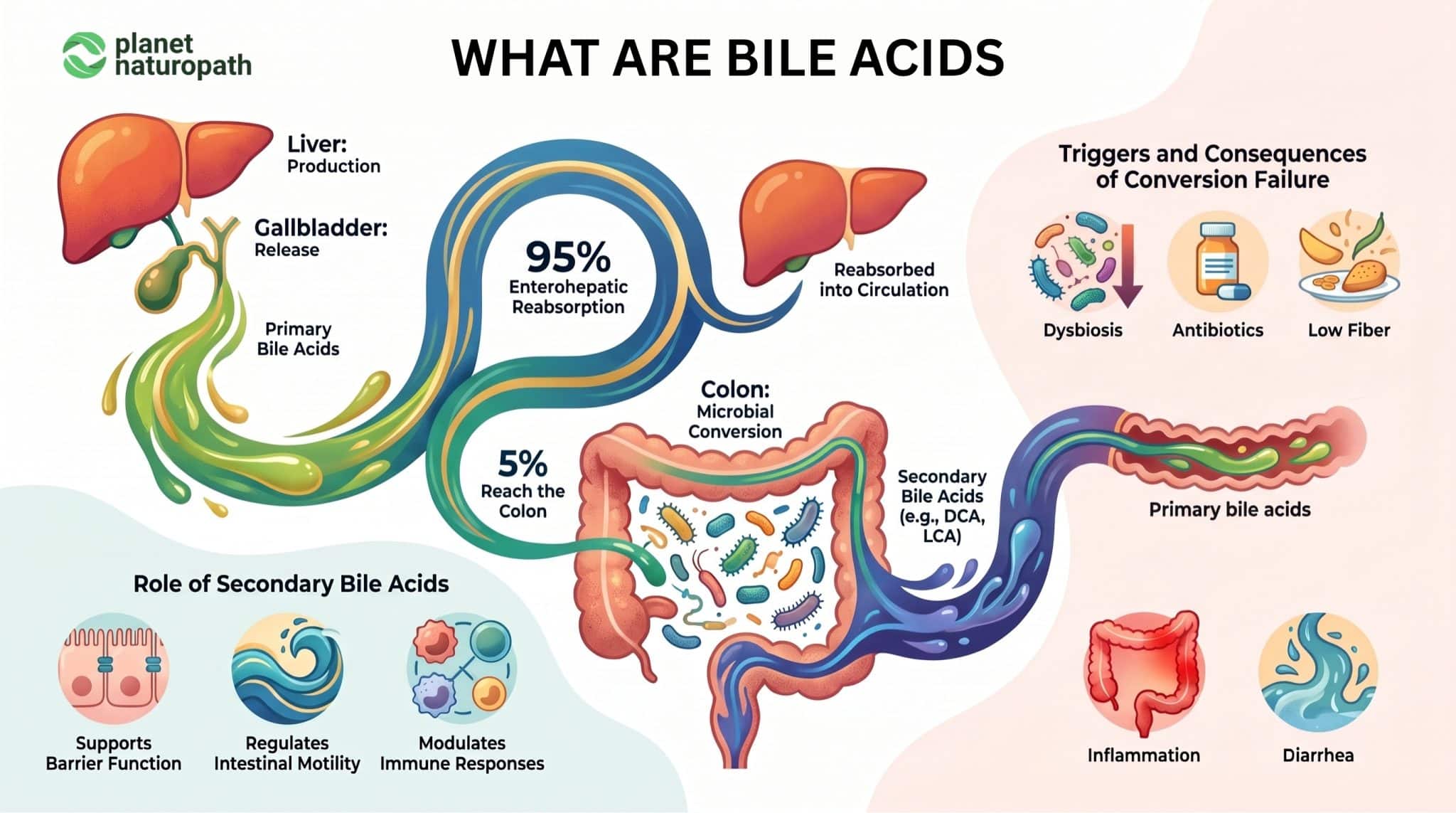
Think of bile acids as your body’s own dishwashing detergent for fats. Just as dish soap breaks up grease in water, bile acids emulsify dietary fats in the small intestine so they can be absorbed. They are produced in the liver from cholesterol, stored in the gallbladder, and released into the small intestine when you eat a fat-containing meal.
Their primary job is to make fat and fat-soluble vitamins (A, D, E, and K) absorbable.
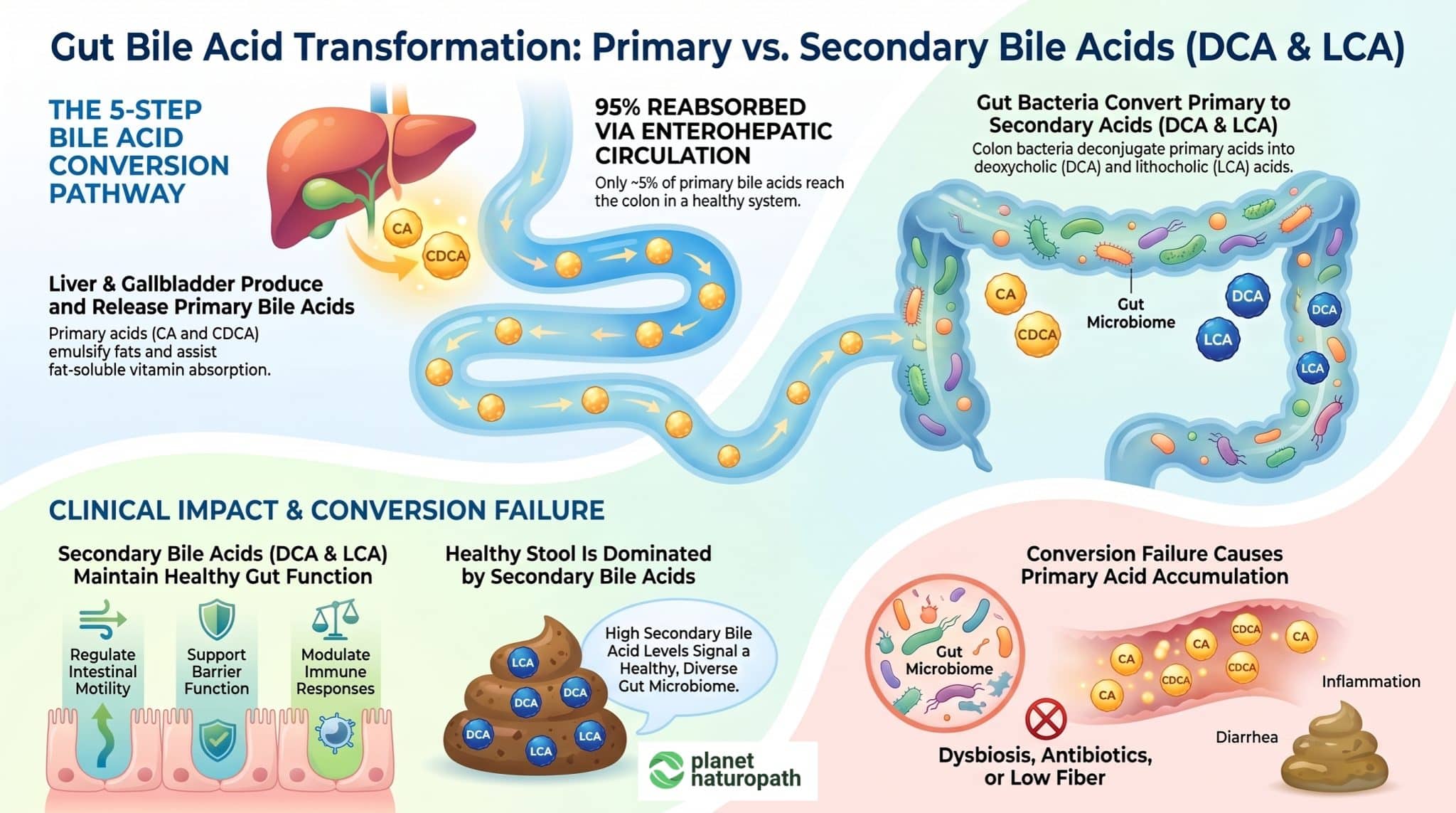
Most bile acids (around 95%) are reabsorbed in the distal ileum and returned to the liver for recycling, a process called enterohepatic circulation. The remaining 5% reach the colon, where gut bacteria convert them from primary bile acids into secondary bile acids through a process called deconjugation.
This conversion is important: secondary bile acids regulate intestinal motility, support gut barrier function, modulate immune responses, and help maintain a healthy microbiome. A high proportion of secondary bile acids is a marker of a healthy, diverse gut microbiome.
When this system breaks down in either direction, with too many bile acids reaching the colon or too few secondary bile acids being produced, the consequences affect your digestion, immunity, and metabolism.
Primary Versus Secondary Bile Acids
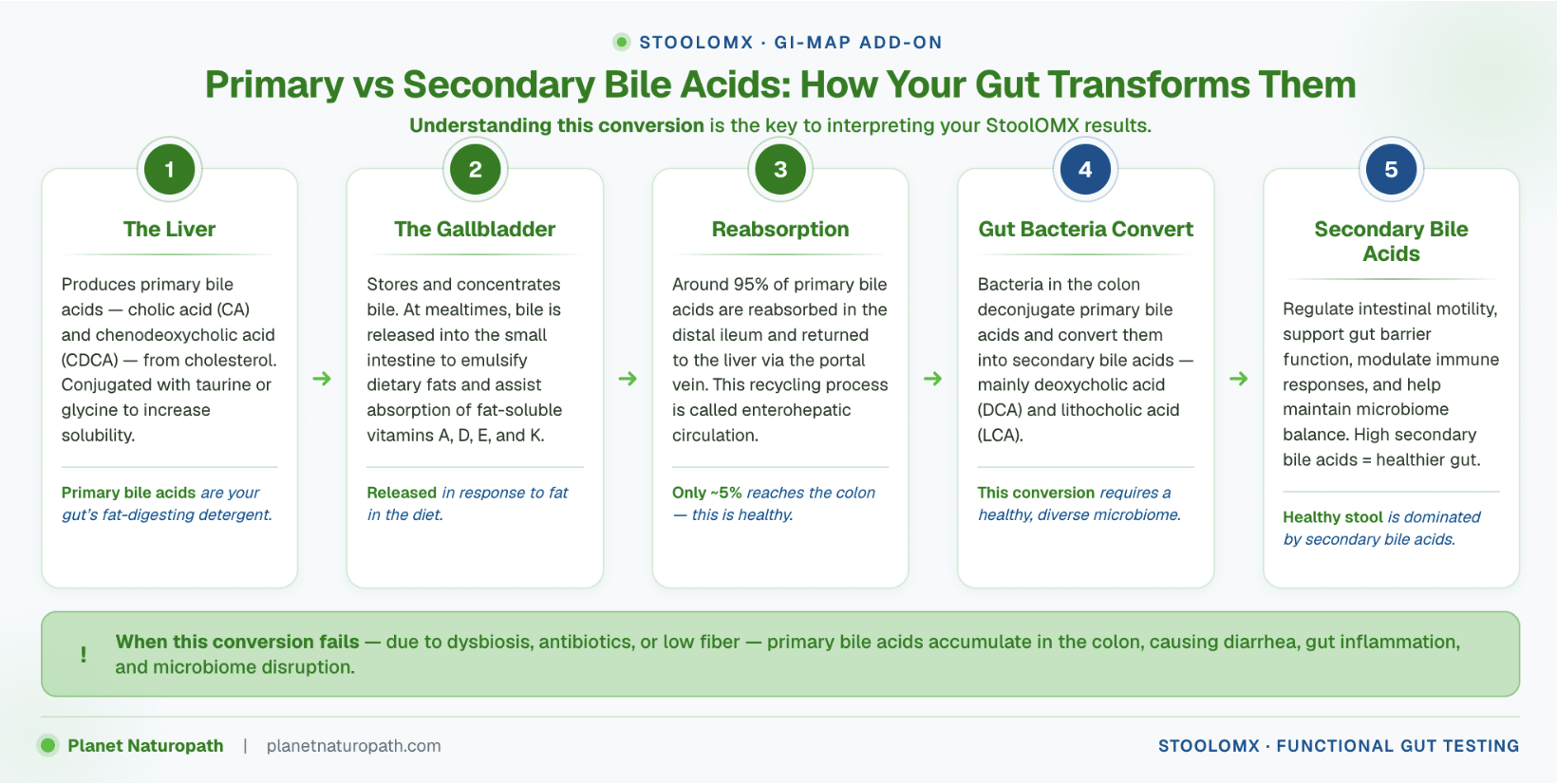
Primary bile acids are produced directly by the liver. The two main ones are cholic acid (CA) and chenodeoxycholic acid (CDCA). In healthy digestion, very little of these should appear in stool, because most are reabsorbed before reaching the colon.
Elevated primary bile acids in stool indicate either excess production, impaired reabsorption (bile acid malabsorption), or poor bacterial conversion.
Secondary bile acids are produced when gut bacteria modify primary bile acids in the colon. The main ones are deoxycholic acid (DCA), lithocholic acid (LCA), and their various derivatives.
In a healthy stool sample, secondary bile acids should dominate. A shift toward high primary and low secondary bile acids suggests microbiome disruption and impaired bacterial metabolism.
Total Bile Acid Concentration
Total bile acids reflect the absolute amount of bile reaching and remaining in the colon.
High total bile acids
High total bile acids indicate bile acid malabsorption (BAM): bile is not being properly reabsorbed in the ileum and is arriving in the colon in excess. This is one of the most important and underdiagnosed causes of chronic diarrhea. A 2009 systematic review found that around 32% of patients with IBS-D had moderate bile acid malabsorption on SeHCAT scanning, and a 2015 meta-analysis put the figure at roughly 28%.
In other words, somewhere between a quarter and a third of people diagnosed with IBS-D may actually have bile acid diarrhea (BAD) as the primary driver. The 2009 review also found that most of these patients responded to a bile acid binder, which is why getting the diagnosis right matters as it will affect the way we treat diarrhea.
Elevated total bile acids can also reflect high dietary fat intake, gallbladder dysfunction, or liver disease.
Low total bile acids
Low total bile acids is generally favorable but can indicate slow transit or constipation, where bile acids are being absorbed very efficiently and little reaches the stool.
Primary and Secondary Bile Acid Percentages
The balance between primary and secondary bile acids tells you about microbiome health and conversion capacity.
High primary bile acid percentage (relative to secondary) indicates that gut bacteria are not efficiently converting primary bile acids to secondary ones. This suggests microbiome disruption, such as insufficient diversity, dysbiosis, or depletion of the specific bacteria responsible for this conversion.
High secondary bile acid percentage is a positive sign associated with a healthier, more diverse microbiome and normal gut function.
The LCA/DCA Ratio
LCA (lithocholic acid) and DCA (deoxycholic acid) are both major secondary bile acids, but they are not equivalent in their effects.
Think of them both as detergent-like compounds that can irritate cells if present in excess. LCA is generally considered more toxic than DCA due to its inhibitory effects on antioxidant pathways. The LCA/DCA ratio reflects which of these two compounds is dominating.
A high LCA/DCA ratio (above 1) suggests that gut bacteria are converting more chenodeoxycholic acid into LCA than cholic acid into DCA. Research has linked an elevated ratio to both conditions: people with colorectal cancer had an average LCA/DCA ratio of around 1.9 compared with 0.9 in healthy controls, and a similar pattern (1.8 versus 0.9) was found in people with gallstones.
These were small studies that compared people who already had the condition, so the ratio is best viewed as a risk marker rather than a proven cause. Clinically, it indicates greater irritative and pro-inflammatory pressure on the colon lining from bile.
A low LCA/DCA ratio (well below 1) is generally considered lower risk. It implies the bile pool is tilted more toward DCA or other secondary acids, which carries less carcinogenic pressure, although DCA in excess is not benign either.
Individual Bile Acids: What to Look For
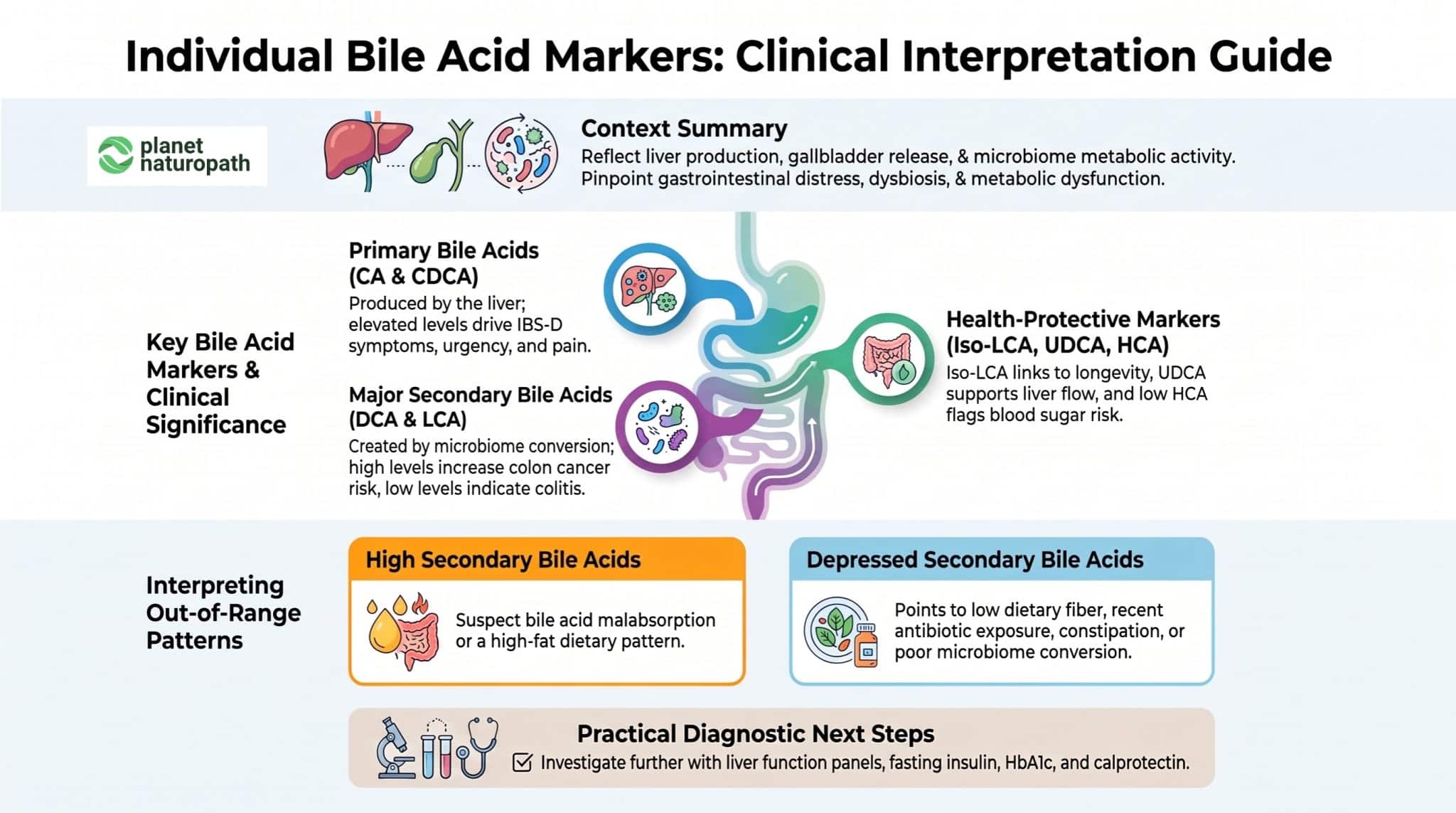
The sections below go marker by marker and are here as a reference if you have results in hand. No single marker should be read in isolation. What matters is the overall pattern, how it fits with your GI-MAP findings and symptoms, and your health history.
Cholic Acid (CA) and Chenodeoxycholic Acid (CDCA)
These are the two major primary bile acids. Elevated CA is associated with IBS-D, watery diarrhea, and urgency. Elevated CDCA specifically contributes to visceral hypersensitivity and IBS-D type pain. Low levels of both can suggest poor bile production.
Deoxycholic Acid (DCA)
DCA is the most abundant secondary bile acid in healthy stool (around 48% of total secondary bile acids). It is formed by bacterial metabolism of CA and plays an important role in modulating the immune response by inhibiting pro-inflammatory cytokine production.
High DCA is associated with liver and colon cancer, metabolic imbalance, and post-cholecystectomy diarrhea, and it can inhibit beneficial bacteria including Lactobacillus and Bifidobacterium species. Low DCA is observed in ulcerative colitis flares and suggests the microbiome is not converting bile acids efficiently.
Lithocholic Acid (LCA)
LCA is the second most abundant secondary bile acid (around 27% of total). It is formed by bacterial metabolism of CDCA. High LCA is associated with liver and colon cancer risk and may contribute to blood sugar dysregulation. Low LCA, like low DCA, is seen in ulcerative colitis and points to reduced microbial conversion.
Isolithocholic Acid (Iso-LCA)
Iso-LCA is a secondary bile acid with positive associations with longevity. A 2021 study published in Nature found that centenarians have a gut microbiome enriched in bacteria capable of producing iso-LCA and related LCA isoforms. Iso-LCA influences metabolic health, modulates immune responses, and affects T-cell function.
High Iso-LCA is generally favorable and may reflect good microbiome diversity. Low Iso-LCA may reflect reduced microbiome diversity and less of this protective, immune-regulating activity.
Ursodeoxycholic Acid (UDCA) and Tauroursodeoxycholic Acid (TUDCA)
UDCA is a protective secondary bile acid that enhances bile flow, has hepatoprotective properties, and modulates immunity. TUDCA is the taurine-conjugated form, which has additional protective effects on cells, including nerve cells.
Low UDCA or TUDCA in stool may indicate cholestasis (sluggish bile flow), which is worth investigating further with liver function tests. You can read more in the Planet Naturopath article on [TUDCA].
Hyocholic Acid (HCA)
HCA is a minor primary bile acid with an emerging role as a metabolic marker. In a 2021 study in Nature Communications, people with pre-diabetes had lower levels of HCA species in their stool, and lower blood levels of HCA species predicted the development of metabolic disorders years later.
A low result is a prompt to look more closely at blood sugar regulation, for example with fasting insulin and HbA1c.
Minor and Conjugated Secondary Bile Acids
The StoolOMX panel also measures a range of glycine and taurine-conjugated secondary bile acids (GLCA, GUDCA, GDCA, TLCA, TDCA) and additional microbial metabolites (12-KLCA, 3-oxoDCA, 7-KLCA, DHLCA, HDCA, AlloIso-LCA, 3-DHCA). As a general pattern:
- When multiple secondary bile acids are depressed together, think low dietary fiber, recent antibiotic use, or constipation
- When many secondary bile acids are elevated together, suspect bile acid malabsorption or a very high-fat diet
- Taurine-conjugated acids (TLCA, TDCA) may be influenced by whole grain intake and diet composition more than disease
- AlloIso-LCA has positive associations with longevity and, in the same centenarian research, showed antibacterial activity against gram-positive pathogens including C. difficile
When Bile Acids Are Out of Range
Abnormal bile acid results are a starting point for investigation rather than a treatment plan on their own.
High bile acids raise questions about how well bile is being reabsorbed, how fast things are moving through the gut, and whether the microbiome is converting bile properly. Low bile acids raise questions about bile production and flow, liver and gallbladder function, and underlying contributors such as thyroid function or celiac disease.
When you work with your practitioner, the plan is built around the whole picture: your StoolOMX and GI-MAP results together, your symptoms, and your health history. Depending on that picture, it may involve dietary changes, support for the microbiome, digestion, or bile flow, and further investigation of the liver and gallbladder.
Further testing that may be useful: Liver function panel, gallbladder ultrasound, fasting insulin and HbA1c (for metabolic markers), blood levels of fat-soluble vitamins (A, D, E, K), calprotectin, and fecal elastase.
Part Two: Short Chain Fatty Acids
What Are Short Chain Fatty Acids and Why Do They Matter?
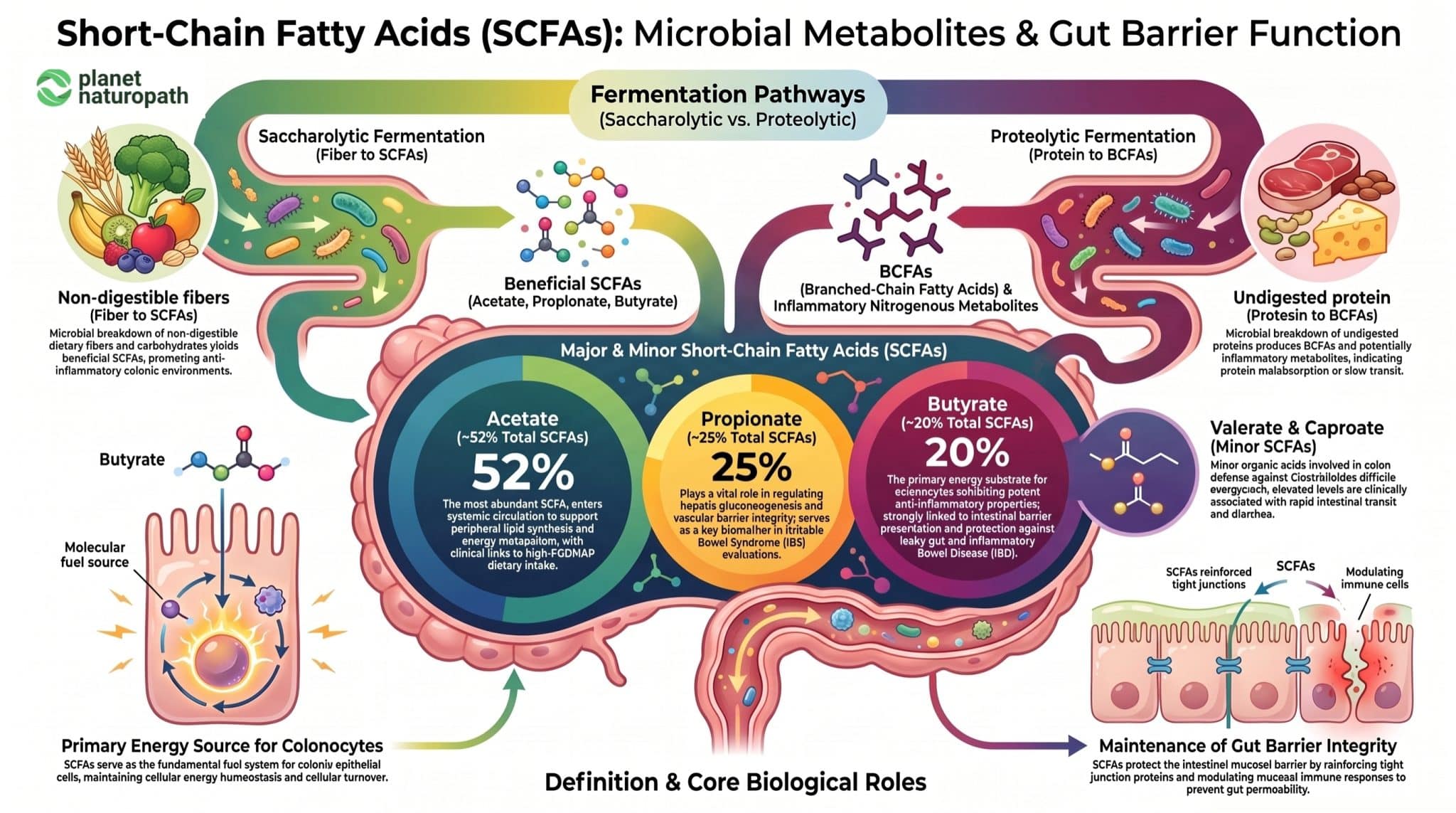
If bile acids are the digestive system, short chain fatty acids (SCFAs) are the fuel system. SCFAs are produced when gut bacteria ferment dietary fiber, and they are the primary energy source for colonocytes, the cells lining your colon.
Without adequate SCFAs, the gut lining weakens, inflammation increases, and the protective barrier between your gut contents and your bloodstream begins to break down.
The three major SCFAs (acetate, butyrate, and propionate) account for around 90% of total SCFA production and have effects that extend well beyond the gut.
They regulate immune function, modulate inflammation, influence appetite and blood sugar control, and help keep opportunistic bacteria in check. Butyrate is the most researched and is particularly important for gut barrier integrity, motility, and reducing intestinal inflammation.
SCFAs come from saccharolytic fermentation, the fermentation of carbohydrates and fiber. This is the desirable pathway. The other pathway is proteolytic fermentation (the fermentation of protein and amino acids by gut bacteria), which produces branched-chain fatty acids (BCFAs) as a byproduct.
BCFAs are like the exhaust fumes of protein fermentation: they indicate that bacteria are feeding on protein rather than fiber, and at elevated levels they can be harmful to the colon epithelium.
Major Short Chain Fatty Acids
Acetate
Acetate is the most abundant SCFA, making up around 52% of total fecal SCFAs. It is involved in lipid synthesis and appetite regulation and maintains energy balance. High acetate alongside digestive symptoms may reflect excessive fermentation of certain carbohydrates (FODMAPs). Low acetate alongside other low SCFAs points to insufficient fiber intake and poor microbiome diversity.
Propionate
Propionate accounts for around 25% of total SCFAs. It supports gut barrier integrity, impacts energy balance and gluconeogenesis, and is involved in lipid metabolism and appetite regulation. Propionate, particularly measured relative to butyrate, has been proposed as a diagnostic biomarker for IBS. Low propionate is associated with IBS-C and dyslipidemia (abnormal blood fats).
Butyrate
Butyrate accounts for around 20% of total SCFAs and is the primary energy source for colonocytes. It supports intestinal barrier integrity, reduces gut inflammation, promotes motility, enhances fatty acid oxidation, inhibits tumor cell progression, and fosters a balanced microbiome. Low butyrate is one of the most clinically actionable findings on this panel, associated with leaky gut, IBD, inflammation, and poor motility. It often goes hand in hand with low levels of butyrate-producing bacteria, such as Faecalibacterium prausnitzii and Roseburia, on the GI-MAP.
Valerate and Caproate
Valerate and Caproate make up the remaining small percentage. Both have some antimicrobial activity against C. difficile. At elevated levels they can be irritating to the colon; this is typically associated with diarrhea or rapid transit.
The SCFA/BCFA Ratio
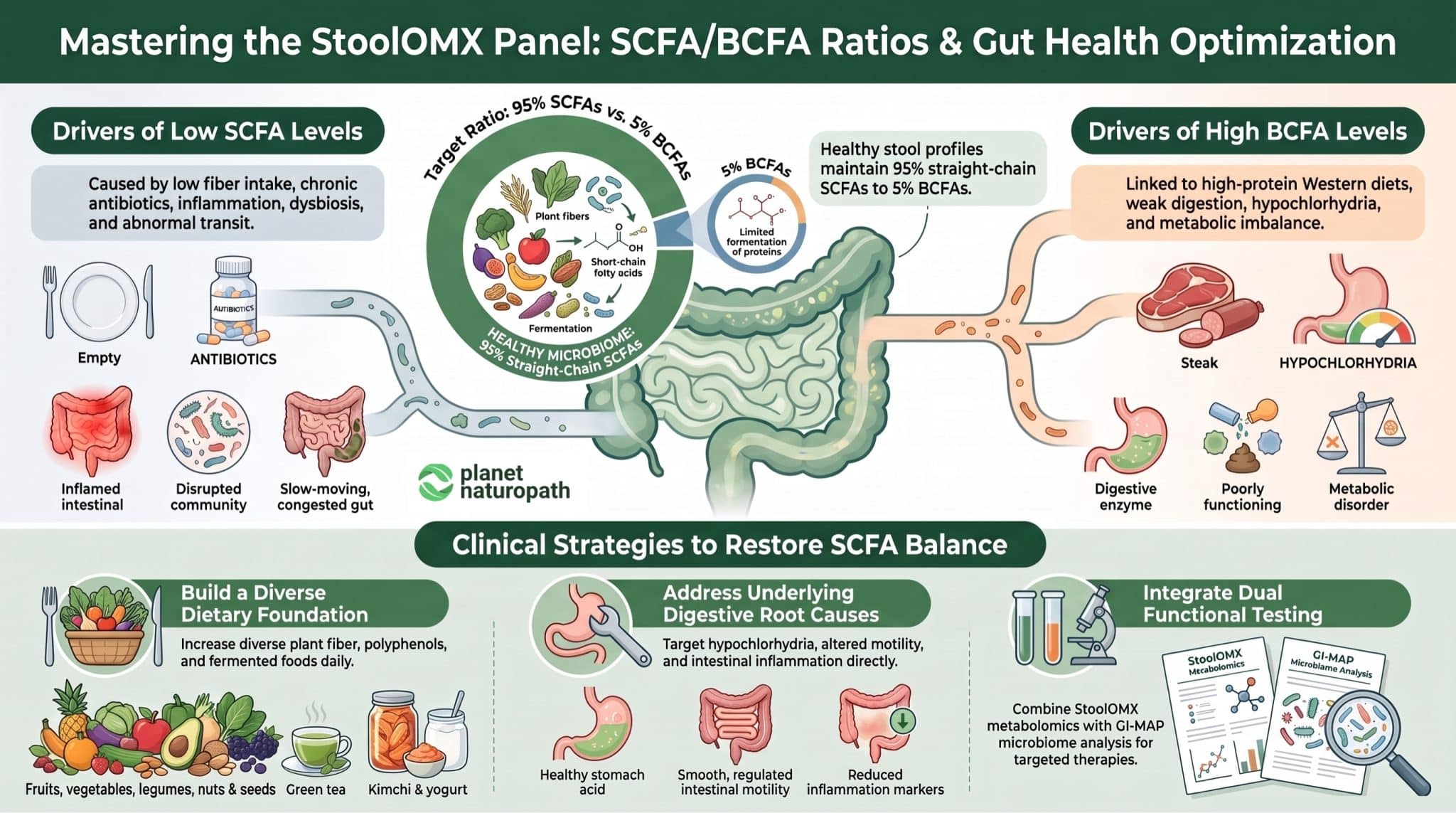
This ratio is one of the most diagnostically useful outputs of the StoolOMX panel. Ideally, straight-chain saccharolytic SCFAs should make up around 95% of total SCFAs, with BCFAs (isobutyrate, isovalerate, 2-methylbutyrate, isocaproate) making up around 5%.
High BCFAs relative to SCFAs indicate that gut bacteria are fermenting protein rather than fiber. This points to weak digestion (often hypochlorhydria), insufficient dietary fiber, high protein intake, poor transit, or inflammatory dysbiosis.
There are also emerging associations between elevated BCFA concentrations and obesity, IBD, hypercholesterolemia, and metabolic-associated fatty liver disease (MAFLD).
Elevated isovalerate specifically has been correlated with both depression and cortisol levels in a small human study, and the authors proposed that gut-derived isovalerate may cross the blood-brain barrier and interfere with neurotransmitter release.
The SCFA/BCFA ratio declines with age, primarily due to decreasing SCFA production, making this a particularly relevant marker in older patients.
Causes of Low SCFA Levels
- Diarrhea (rapid transit reduces fermentation time)
- Constipation (slow transit increases SCFA absorption before it reaches the stool)
- Chronic antibiotic use
- Inflammation (high calprotectin)
- Low dietary fiber and complex carbohydrate intake
- Insufficiency dysbiosis (low beneficial bacteria)
- Inflammatory bowel disease
Causes of High BCFA Levels
- High protein, low fiber diet (Western diet pattern)
- Hypochlorhydria or weak digestion
- Increased age
- Metabolic imbalance
- Low total SCFAs
Improving SCFA Levels
Diet is the foundation. Your gut bacteria make SCFAs from the fiber you eat, so a diverse range of plant foods, polyphenol-rich foods, and fermented foods gives them the raw material they need.
Beyond that, the right approach depends on why levels are low, whether that is a depleted microbiome, weak digestion, inflammation, or transit that is too fast or too slow.
Your practitioner will look at your StoolOMX and GI-MAP results together to work out the underlying cause and build a plan around it.
How StoolOMX and the GI-MAP Work Together
The real value of StoolOMX is not as a standalone test. It is a layer of metabolic insight that explains and extends the GI-MAP findings. The following GI-MAP patterns are commonly associated with abnormal StoolOMX results:
- Presence of pathogens: disrupts bile acid conversion and SCFA production
- Insufficiency dysbiosis (low beneficial bacteria): reduces secondary bile acid production and SCFA output
- Elevated Firmicutes/Bacteroidetes ratio: associated with abnormal bile acid profiles
- Overgrowth of inflammatory opportunistic bacteria: disrupts bile metabolism
- Elevated steatocrit: correlates with bile acid malabsorption
- Decreased elastase-1: links pancreatic insufficiency to fat malabsorption and bile acid dysregulation
- Elevated calprotectin: inflammation reduces SCFA production
The microbes primarily responsible for converting primary to secondary bile acids include the Firmicutes phylum, Bacteroidetes phylum, Escherichia spp., Bacteroides spp., Bifidobacterium spp., Enterococcus spp., Lactobacillus spp., and the Methanobacteriaceae family. When these are depleted or disrupted on the GI-MAP, the StoolOMX bile acid findings explain why.
Similarly, the bacteria responsible for producing SCFAs, including Faecalibacterium prausnitzii, Roseburia spp., Bifidobacterium spp., and Bacteroidetes, often appear depleted on the GI-MAP in patients with low SCFA results on StoolOMX. Treating these two sets of findings together produces better outcomes than treating either in isolation.
Frequently Asked Questions
References
- Prevalence of bile acid malabsorption in IBS-D, systematic review: Wedlake et al., 2009
- Prevalence of bile acid malabsorption in IBS-D, meta-analysis: Slattery et al., 2015
- Fecal LCA/DCA ratio in colorectal cancer patients: Owen et al., 1986
- Fecal bile acid profile and LCA/DCA ratio in gallstone patients: Mamianetti et al., 1999
- Bile acid pathways (including iso-LCA and isoallo-LCA) enriched in centenarians: Sato et al., 2021
- Hyocholic acid species as biomarkers for metabolic disorders: Zheng et al., 2021
- Fecal short chain fatty acids as a diagnostic biomarker for IBS: Farup et al., 2016
- Isovaleric acid in stool, depression, and cortisol: Szczesniak et al., 2016