Vibrant Wellness Food Zoomer: Complete Guide
Food sensitivities are one of the most underdiagnosed drivers of chronic health problems. Unlike true food allergies which cause immediate, obvious reactions, food sensitivities typically operate through delayed immune responses that can take hours or even days to produce symptoms.
This makes them difficult to identify through elimination diets alone, and almost impossible to pin down without testing.
The Vibrant Wellness Food Zoomer is the most comprehensive food reactivity test available. It measures IgA and IgG immune responses across over 200 whole foods and 57 food additives, and goes deeper than any other food sensitivity panel by testing protein-specific antibodies for the foods most commonly driving chronic immune activation, including wheat, dairy, eggs, soy, peanut, and corn.
The Food Zoomer also assesses IgE allergy reactions for wheat, dairy, soy, eggs, corn and peanuts.
If you’ve tried elimination diets without clear results, or if your symptoms seem food-related but you can’t identify a consistent pattern, this test is designed to give you specific, actionable answers.
What Is the Food Zoomer?
The Food Zoomer is a blood-based test collected at home via a dried blood spot (DBS) finger-prick sample. It measures IgA and IgG antibody responses, the immune pathways responsible for delayed food reactions across a broad range of foods, food peptides, lectins, aquaporins, and food additives.
It includes two components:
Food Sensitivity Complete
IgA and IgG responses to 209 whole foods and 57 food additives. This is also available as a standalone panel but is included in full within the Food Zoomer.
Food Antibody Panels
Protein-specific antibody testing for wheat (20 antigens), dairy (11 peptides), eggs (11 peptides), soy (11 proteins including GMO markers), peanut (15 peptides), corn (18 antigens including GMO), and lectins and aquaporins (23 markers).
This level of antigen-specific testing is what sets the Food Zoomer apart from standard food sensitivity tests.
Together, these components give a picture not just of which foods are reactive, but which specific proteins within those foods are driving the immune response which is critical for understanding the severity of a reaction and what level of avoidance is actually needed.
What Does the Food Zoomer Measure?

Food Sensitivity Complete (209 Foods + 57 Additives)
The whole-food panel covers all major food groups:
- Dairy (11) — cow’s milk, goat’s milk, sheep’s milk, casein, casomorphin, whey, kefir, yogurt, buttermilk, buffalo milk, cheddar cheese
- Gluten-containing grains (7) — wheat, barley, rye, oats, spelt, malt, couscous
- Gluten-free grains and starches (10) — brown rice, corn, buckwheat, amaranth, millet, cassava, tapioca, arrowroot, tiger nut, taro root
- Legumes (11) — soybean, peanut, chickpea, kidney bean, lentil, navy bean, black bean, mung bean, broad bean, black-eye pea, pinto bean
- Nuts (11) — almond, cashew, walnut, hazelnut, pecan, pistachio, Brazil nut, pine nut, macadamia, sweet chestnut, black walnut
- Seeds (9) — sesame, sunflower, flax, chia, hemp, mustard, coriander, poppy, rapeseed
- Eggs — egg white and egg yolk
- Meat and poultry (12) — beef, chicken, pork, lamb, turkey, duck, goose, rabbit, veal, and others
- Fish (16) — salmon, tuna, cod, mackerel, halibut, sardine, anchovy, sea bass, sole, and others
- Shellfish and mollusks (12) — crab, lobster, clam, oyster, scallop, squid, octopus, and others
- Fruits (39) — a comprehensive range including apple, avocado, banana, berries, citrus, stone fruits, tropical fruits, and less common options like elderberry, persimmon, and passion fruit
- Vegetables (39) — a broad range including common staples and less common options like artichoke, bamboo shoots, salsify, and various squash varieties
- Nightshades (3) — white potato, green pepper, eggplant
- Spices (19) — black pepper, cinnamon, turmeric, cumin, oregano, cayenne, jalapeño, habanero, and others
- Ferments and miscellaneous (14) — baker’s yeast, brewer’s yeast, coffee, tea, cocoa, vanilla, various vinegars, cane sugar, honey
- Vegan/plant-based foods (3) — tofu, tempeh, vegan cheese
Food additives (57) are tested across six categories:
- Food dyes and pigments (15) — including Red #40, Yellow #5, Yellow #6, Blue #1, Blue #2, and annatto
- Sweeteners (10) — including aspartame, sucralose, stevia, erythritol, xylitol, saccharin, and monk fruit
- Preservatives and antioxidants (9) — including sodium benzoate, BHA, BHT, sodium nitrate, and sorbic acid
- Emulsifiers (3) — including soy lecithin, egg lecithin, and polysorbate 80
- Flavor enhancers (3) — including MSG and ammonium chloride
- Gums and thickeners (9) — including carrageenan, xanthan gum, guar gum, and gum arabic
- Pesticides (2) — glyphosate and deltamethrin
- Other (2) — BPA and latex
The additive testing is clinically important and often overlooked. Many patients eating what they consider a clean diet are still reacting to additives, emulsifiers, or preservatives — and this panel identifies those responses directly.
Protein-Specific Antibody Panels
This is where the Food Zoomer goes significantly deeper than standard food sensitivity testing.
Wheat and gluten-related antigens (20)
Including alpha, alpha-beta, gamma, and omega gliadins; gluteomorphin; prodynorphin; high and low molecular weight glutenins; serpin; farinins; amylase/protease inhibitors; zonulin and anti-zonulin; anti-actin; deaminated gliadin peptide (DGP); transglutaminase 2 (tTG); and the tTG/DGP fusion peptide.
This panel distinguishes celiac-pattern reactivity from non-celiac gluten sensitivity and identifies multiple pathways of immune activation that a standard celiac panel would miss.
Dairy peptides (11)
Including αS1-casein, αS2-casein, κ-casein, β-casein, A1 β-casein (and its islet cell overlap), beta-casomorphin, α-lactalbumin, β-lactoglobulin, serum albumin, lactoferrin, and butyrophilin.
This matters because a patient reactive to beta-casomorphin from A1 dairy may tolerate A2 dairy or goat’s milk — the peptide-level data makes those distinctions possible.
Egg antibodies (11)
Including ovomucoid, ovalbumin, ovotransferrin, lysozyme, ovomucin, avidin, YGP42, alpha-livetin, vitellogenin-1, lipovitellin, and apovitellenin — covering both egg white and egg yolk proteins separately.
Soy proteins (11)
Including Gly m 1 through Gly m 8, Bd 30k, Kunitz soybean trypsin inhibitor, and Cry1Ac GMO protein.
Peanut peptides (15)
Including Ara h 2, 3, 5, 6, 7, 8, 9, 10, 11, 12, 13, arachin, glycinin, and two oleosin variants.
Corn antigens (18)
Including corn zein, profilin, albumin, globulin, glutelin, expansin, endochitinase, lipid transfer protein, thioredoxin, exopolygalacturonase, corn pollen antigens, Cry protein, and a corn-wheat overlap epitope.
Lectins and aquaporins (23)
Testing IgG responses to 16 lectins (barley, bell pepper, chickpea, corn, cucumber, kidney bean, lentil, lima bean, mung bean, pea, peanut, potato, rice, rye, soybean, tomato) and 7 aquaporins (bell pepper, corn, potato, soybean, spinach, tobacco, tomato).
The lectin and aquaporin panel is particularly relevant for anyone who has been on a carnivore or very low-plant diet trying to manage symptoms, it can identify whether specific plant proteins, rather than plants broadly, are driving the immune load.
Who Should Consider the Food Zoomer?

This test is worth considering if you have:
- Bloating, gas, or digestive discomfort that seems to vary with what you eat
- Skin conditions including eczema, psoriasis, acne, or chronic rashes
- Joint or muscle stiffness or pain without a clear structural cause
- Fatigue or energy crashes after meals
- Brain fog or headaches that seem food-related
- Inconsistent reactions, sometimes you tolerate a food fine, other times it causes symptoms
- You’ve tried elimination diets without getting clear answers
- Chronic inflammation that hasn’t responded to treatment
- A known autoimmune condition, food reactivity commonly drives immune load in autoimmune cases
- Multiple food sensitivities that seem to be expanding over time
The Food Zoomer is also useful for people who want to optimize their diet rather than just identify problems; the results provide a clear, evidence-based foundation for personalized nutrition planning.
An Important Timing Consideration
This is one of the most common questions I receive, and it came up directly in a recent patient inquiry: when is the right time to do the Food Zoomer?
The test measures current immune responses to foods you’re eating. If you’re on a highly restrictive elimination diet, your immune responses to the avoided foods may be temporarily suppressed, which can produce a falsely reassuring result and then when you reintroduce those foods, reactions return.
As a general guide:
- You should ideally be eating a reasonably varied diet for 4-6 weeks before testing, consuming most of the foods you want assessed
- If you’re on a very restrictive elimination diet, it’s worth discussing timing before ordering
- Steroid use (oral or injected) can suppress immune responses and affect results, wait until you’ve been off steroids for at least 4-6 weeks if possible
- Antihistamine use has less impact on IgG/IgA testing than on IgE allergy testing, but discussing your current medications before testing is always sensible
If you’re dealing with an active flare or have recently been on immunosuppressive medications, a 30-minute consultation before ordering is genuinely worth it to make sure the timing is right and the results will be interpretable.
How the Test Works
The Food Zoomer uses a dried blood spot (DBS) collection, a simple finger-prick done at home using the lancets and collection cards included in the kit. No venipuncture or lab visit required.
A blood draw option is available if requested.
Once collected, the card is returned to the Vibrant Wellness lab using the prepaid shipping label. Results are typically available within 2-4 weeks.
Understanding Your Results
The Food Zoomer report organizes findings by food group and antibody class, making it easier to identify patterns than a simple list of reactive foods would allow.
You can see, for example, that your reactivity is concentrated in dairy peptides and gluten-related antigens, with a secondary pattern around specific food additives which immediately suggests a more targeted elimination approach than avoiding all grains and all dairy.
Key things the report helps distinguish:
- IgA vs IgG reactivity — IgA responses reflect mucosal immune activation (gut lining involvement), while IgG responses reflect systemic immune exposure. Seeing both helps clarify where in the body the immune reaction is occurring.
- Protein-specific patterns — Knowing you’re reactive to beta-casein and casomorphin but not whey proteins tells you something different clinically than a general dairy reaction. It may mean A2 dairy or sheep/goat dairy is tolerable, or it may point toward a gut permeability issue driving the reactivity.
- Additive patterns — Seeing reactivity concentrated in emulsifiers or preservatives rather than whole foods suggests dietary exposure to processed foods as a primary driver, independent of what whole foods are consumed.
One important clinical note: the goal of this test is not to create a long list of foods to permanently avoid. Most food sensitivities reflect immune system dysregulation, often driven by gut barrier dysfunction, microbiome imbalance, or ongoing toxic burden rather than a permanent intolerance to those foods. Identifying and removing the key triggers gives the immune system a chance to reset, and many foods can be reintroduced once the underlying drivers are addressed.
Food Zoomer Cost
The Food Zoomer is $800 USD when ordered individually through the Planet Naturopath portal. This includes both the Food Sensitivity Complete panel and all protein-specific antibody panels.
The Food Sensitivity Complete panel is also available as a standalone test at $610, but if you want the full depth of protein-specific antibody testing, the full Food Zoomer is the better option.
For most people, running the Food Zoomer as part of a bundle is significantly better value. The 3 Zoomer bundle is $1,300 — combining the Food Zoomer ($800), Gut Zoomer ($625), and one other Zoomer individually would cost over $2,000.
Tests That Work Well With the Food Zoomer
Gut Zoomer + Neurotransmitters

The most natural pairing. The Food Zoomer identifies which foods are driving immune activation; the Gut Zoomer shows whether gut barrier dysfunction or dysbiosis is the underlying reason those foods are reactive in the first place. Running both together is one of the most clinically useful combinations for chronic gut, immune, and skin issues.
Immune Zoomer
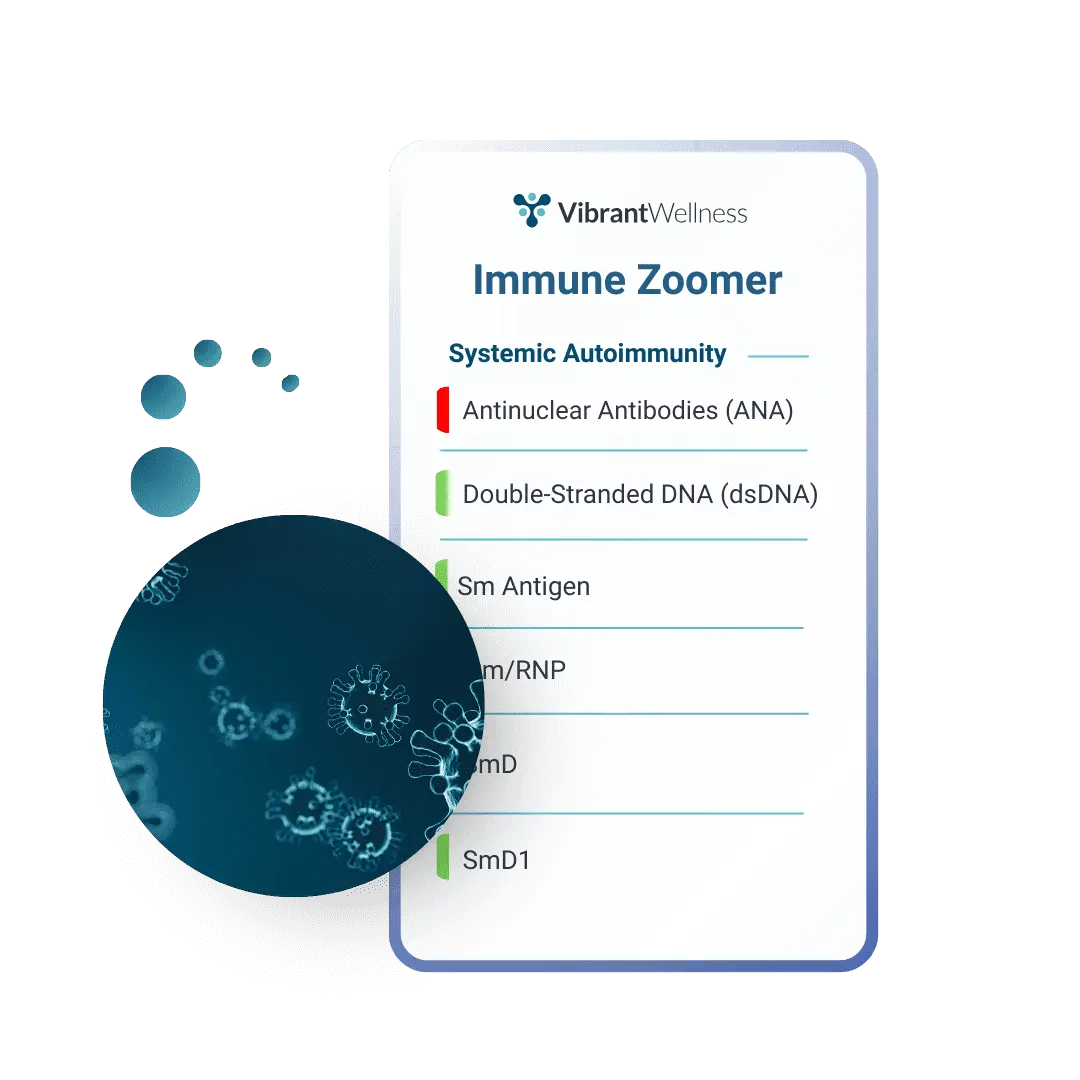
Food-driven immune activation can overlap with broader systemic autoimmunity. If you have an autoimmune condition or ongoing unexplained inflammation, the Immune Zoomer provides the tissue-level context to see whether food reactivity is contributing to a wider immune pattern.
Cellular Zoomer
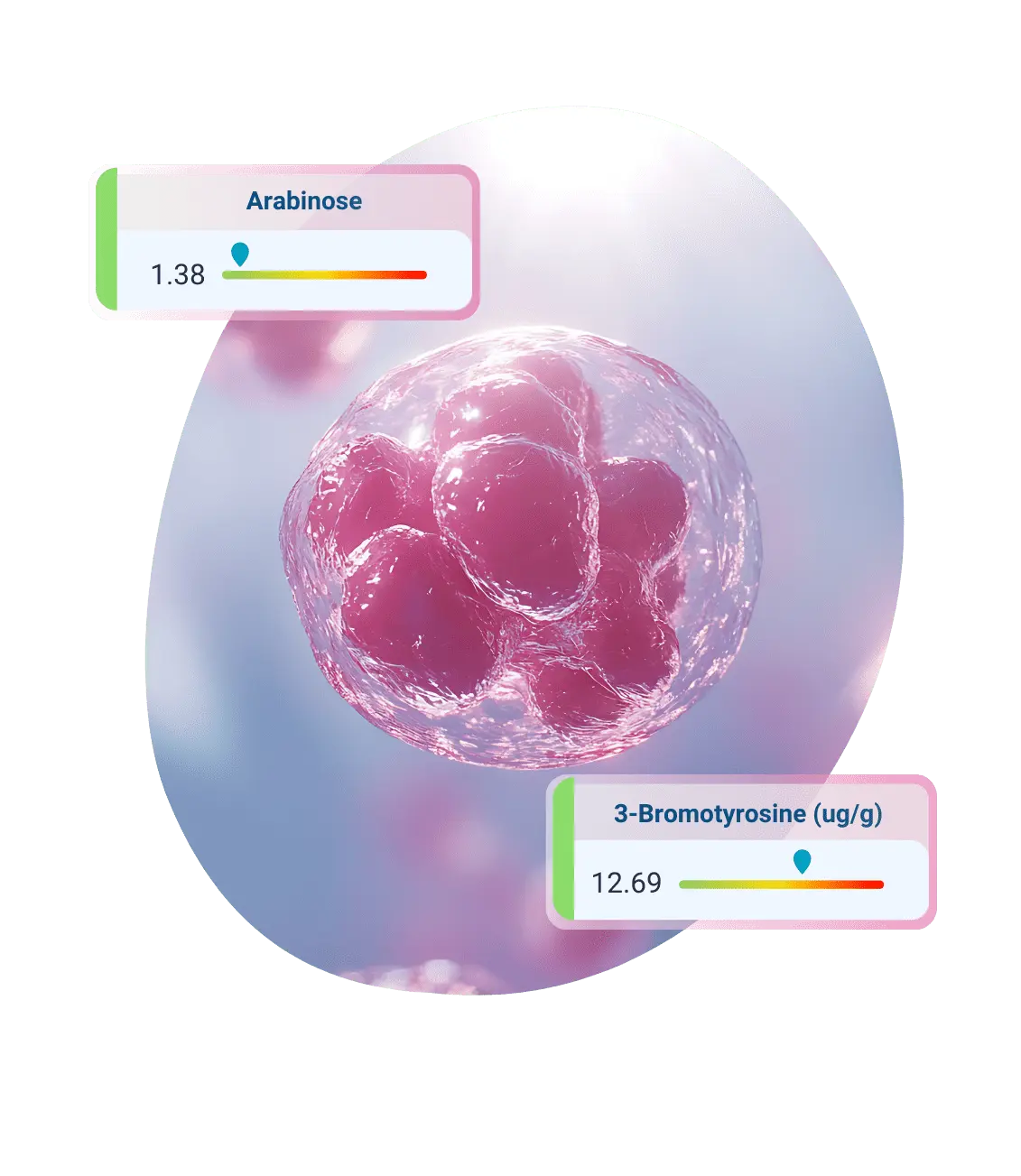
When food reactions seem to track with energy crashes, brain fog, or mood symptoms, the Cellular Zoomer’s mitochondrial and neurotransmitter metabolite markers help explain the downstream cellular impact.
Hormone Zoomer

Food reactivity and symptom expression can shift with hormonal changes (many women notice this across the menstrual cycle). Adding the Hormone Zoomer helps clarify whether hormonal patterns are influencing immune reactivity or symptom severity.
How to Order
Order through the Planet Naturopath portal at planetnaturopath.wellproz.com. Your test kit ships directly from the Vibrant Wellness lab. Shipping is free within the US.
If you’re currently on a restricted diet, have recently used steroids or immunosuppressive medications, or are unsure about timing, a 30-minute pre-test consultation is strongly recommended before ordering.

Still not sure what Is driving your symptoms?
If you’ve been trying to fix this on your own but aren’t seeing results, it may be time to look deeper.
I offer personalised, one-on-one consultations to identify the root cause and create a plan tailored specifically to you.
Frequently Asked Questions
What Is the difference between the Food Zoomer and the Food Sensitivity Complete?
The Food Sensitivity Complete (also called Food Sensitivity Complete 209) tests IgA and IgG responses to 209 whole foods and 57 additives. This is included within the Food Zoomer. The full Food Zoomer adds the protein-specific antibody panels for wheat, dairy, eggs, soy, peanut, corn, lectins, and aquaporins. If you want the deeper antigen-level data which is usually worth it for anyone with significant food reactivity, the full Food Zoomer is the better choice.
Does this test for food allergies?
True food allergies involve IgE antibodies and cause immediate reactions. The Food Zoomer measures IgA and IgG responses, which are associated with delayed food sensitivities rather than immediate allergic reactions. If you have known anaphylactic allergies, those should be managed with an allergist regardless of what this test shows.
The individual panels do check IgE reaction to wheat, dairy, eggs, soy and peanuts.
Should I eat normally before testing?
Yes, ideally you should be eating a reasonably varied diet and consuming the foods you want assessed for at least 4-6 weeks before collection. Avoiding foods for extended periods before testing can suppress immune responses and produce falsely negative results.
Can I do this test while on a restrictive elimination diet?
It depends on how restrictive the diet is and how long you’ve been on it. If you’ve been avoiding major food groups for more than a few weeks, timing the test after some reintroduction will give more accurate results. This is worth discussing in a pre-test consultation.
How long after stopping steroids should I wait?
At least 4-6 weeks after stopping oral or injected steroids before testing, as these can suppress immune responses and affect results.
Are results permanent?
No. Food sensitivities often reflect gut barrier dysfunction or immune dysregulation rather than permanent intolerance. With the right treatment plan, many reactive foods can be successfully reintroduced over time.
How long do results take?
Typically 2-4 weeks from the date the lab receives your sample.