
Vibrant Wellness Gut Zoomer: Complete Guide
The gut is central to almost every aspect of your health. It influences your immune system, your energy, your mood, your skin, and your ability to absorb the nutrients your body needs to function. Yet standard testing rarely looks beyond basic inflammation markers or a stool culture for obvious pathogens.
The Vibrant Wellness Gut Zoomer is the most comprehensive gut health test I use in my practice. It goes far beyond identifying what’s wrong with your digestion — it connects gut patterns to downstream effects on your brain, immune system, metabolism, and energy.
If you’ve been dealing with chronic gut symptoms, or health issues that don’t seem obviously gut-related but aren’t resolving, this test is often where the real answers are.
What Is the Gut Zoomer?
The Gut Zoomer is a stool and urine-based test that assesses over 300 microorganisms alongside a comprehensive set of markers covering digestion, gut barrier integrity, immune activity, metabolic byproducts, and gut-brain neurotransmitter pathways — all in a single test.
It uses proprietary microarray hybridization technology that targets multiple gene regions (16s, 23s, and other proprietary segments) simultaneously. This multi-target approach is what gives it its accuracy advantage over other stool tests, which typically analyze only one gene region.
Independent research has shown the Gut Zoomer’s pathogen detection sensitivity at 95.9% with 100% specificity — among the highest of any gut test currently available.
The result is a structured report that doesn’t just list findings but organizes them by clinical domain, making it possible to see which gut systems are driving your symptoms and in what order they need to be addressed.
What Does the Gut Zoomer Measure?
Gut Pathogens
The pathogen panel is one of the most extensive available, covering:
- 28 pathogenic bacteria including H. pylori, C. difficile (with toxin A and B), Salmonella, Campylobacter, Shigella, and E. coli variants
- 14 protozoans including Giardia, Blastocystis hominis, Dientamoeba fragilis, Cryptosporidium, and Entamoeba histolytica
- 15 helminths (intestinal worms) including Strongyloides, Ascaris, pinworm, hookworm, and tapeworm species
- 6 fungi including Candida albicans, Candida glabrata, and Geotrichum
- 13 viruses including Norovirus, Rotavirus, CMV, EBV, and Adenovirus
This is significantly more comprehensive than the GI-MAP, which tests around 70 organisms. The breadth matters clinically — parasites and helminths in particular are frequently missed on less comprehensive panels, yet they can drive chronic immune activation, fatigue, and gut symptoms for years.

Gut Commensals
This section assesses the balance of beneficial and commensal bacteria and organizes them by their association with specific health conditions:
- Cardiovascular health — TMAO-related bacteria linked to atherosclerosis and stroke risk
- Autoimmune health — bacteria associated with rheumatoid arthritis, psoriatic arthritis, celiac disease, and ankylosing spondylitis
- Metabolic health — bacteria linked to diabetes, obesity, and digestive insufficiency
- Neurological health — bacteria associated with Parkinson’s disease, depression, autism, MS, and Alzheimer’s disease
- Liver health — bacteria linked to cirrhosis, alcohol-related liver disease, and primary sclerosing cholangitis
- IBD and IBS — bacteria associated with Crohn’s disease, ulcerative colitis, SIBO, and low butyrate production
- Hormonal health — beta-glucuronidase producing bacteria that affect estrogen metabolism and detoxification
- Nutrition — bacteria involved in production of folate, vitamin K, B2, and B12
Key species assessed include Akkermansia muciniphila (leaky gut and insulin resistance), Faecalibacterium prausnitzii and Roseburia (butyrate production and mucosal integrity), Bifidobacterium species, and the full range of Lactobacillus strains. The diversity indices — Shannon’s and Simpson’s — give an overall picture of microbiome health.

Gut Inflammatory Markers
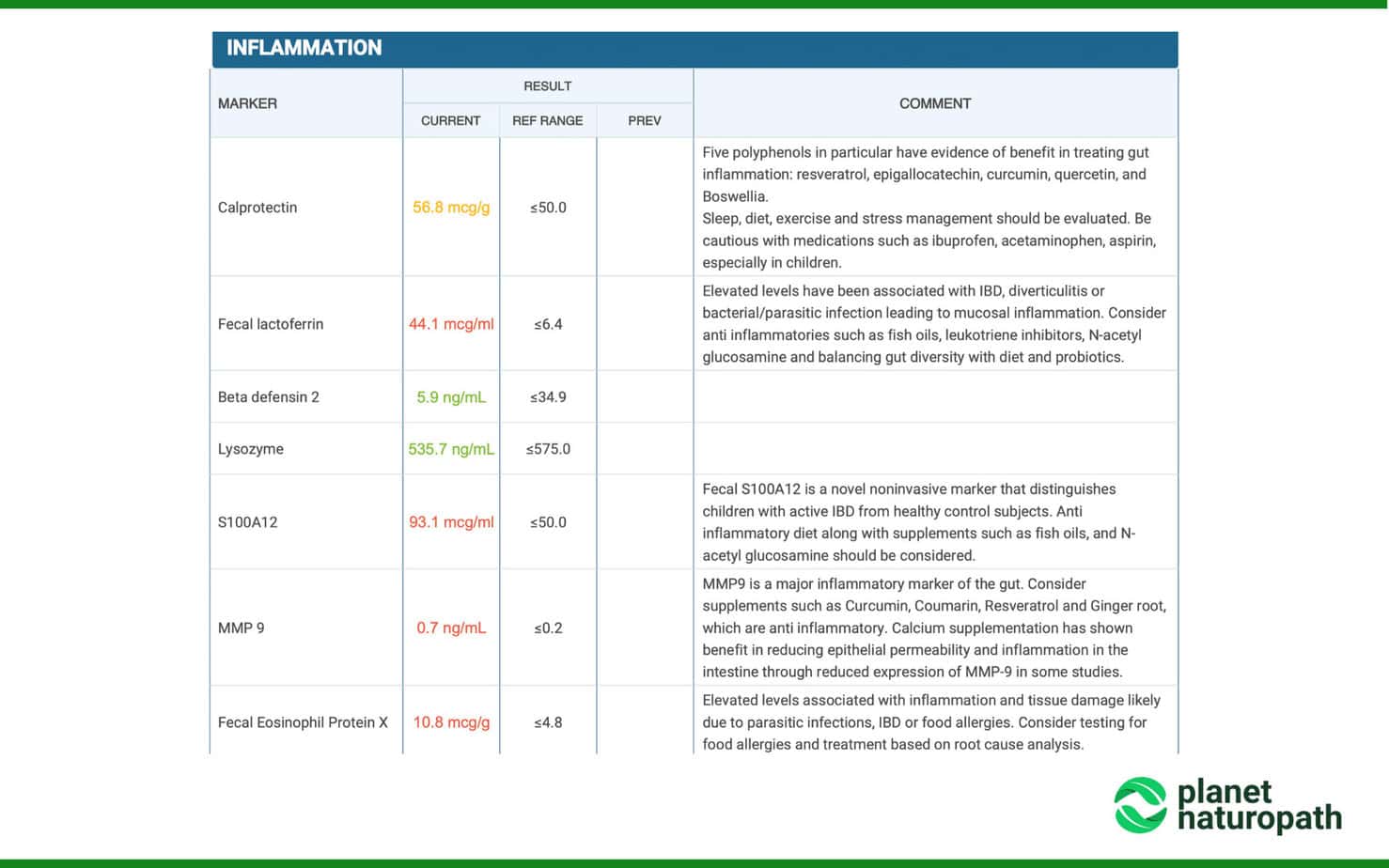
- Calprotectin — elevated in IBD, distinguishes inflammatory from functional gut disease
- Fecal lactoferrin — marker of serious GI inflammation, associated with IBD
- Beta-defensin 2 — antimicrobial peptide, marker of mucosal inflammation
- Fecal lysozyme — gauges inflammatory activity, typically elevated in IBD but not IBS
- MMP-9 — important marker of chronic intestinal inflammation
- Eosinophil Protein X — elevated with food allergy or parasite-driven eosinophilic inflammation
Digestion and Immune Markers

- Pancreatic elastase — non-invasive marker of exocrine pancreatic function; low levels indicate insufficient digestive enzymes
- Secretory IgA — the primary mucosal antibody protecting against pathogens and toxins at gut surfaces
- Fecal pH — assesses acidity/alkalinity balance in the gut environment
- Fecal immunochemical test (FIT) — checks for hidden blood loss through the GI tract
Gut Barrier and Permeability
- Fecal zonulin — measures intestinal permeability; frequently elevated in autoimmune conditions and food sensitivities
- Gut antibodies — including tTG, deaminated gliadin peptide (DGP), anti-gliadin, actin antibody, LPS antibody, and ASCA; these reflect immune activation at the gut wall
Malabsorption Markers
- Total fecal fat, triglycerides, long chain fatty acids, cholesterol, and phospholipids — indicating fat malabsorption from gallbladder, liver, or pancreatic dysfunction
- Meat and vegetable fiber — indicating protein and fiber digestion insufficiency
Gut Metabolites
- Short chain fatty acids (SCFAs) — acetate, butyrate, propionate, and valerate; butyrate in particular is critical for mucosal barrier integrity, inflammation control, and metabolic function
- Bile acids — including cholic, chenodeoxycholic, deoxycholic, and lithocholic acid; elevated total bile acids indicate bile acid malabsorption
- Beta-glucuronidase — high levels allow toxins, hormones, and drugs to be reabsorbed rather than excreted
Antibiotic Resistance Genes
Assesses resistance genes for H. pylori (clarithromycin and fluoroquinolones) and universal resistance genes for vancomycin, beta-lactamase, macrolides, tetracycline, aminoglycosides, carbapenem, and others. This is clinically valuable when treatment decisions involve antimicrobial protocols.
Gut-Brain Neurotransmitter Pathways
This is one of the most significant additions to the current version of the Gut Zoomer and something no other stool test offers.
The gut produces and processes most of the body’s neurotransmitters, and disruptions in these pathways explain why gut dysfunction so often presents with mood, sleep, focus, and energy symptoms.
The test measures:
- Serotonergic pathway — serotonin, 5-HIAA, 5-HTP, tryptophan
- Dopaminergic pathway — dopamine, DOPAC, HVA, normetanephrine, VMA, tyrosine, L-DOPA, and key ratios
- GABAergic pathway — GABA and glutamate balance
- Kynurenine pathway — kynurenic acid, quinolinic acid, xanthurenic acid, and the quinolinic acid/5-HIAA ratio (an important neuroinflammation marker)
- Histaminergic pathway — histamine
- Tryptamine pathway — tryptamine
- Other pathways — glycine, taurine, acetylcholine, oxytocin, aspartate, serine
These markers help explain symptoms like anxiety, depression, poor sleep, brain fog, and irritability that are gut-driven but not obviously digestive in nature.
They also guide sequencing of care — for example, whether to prioritize microbiome support, tryptophan metabolism, or GABA/glutamate balance.
Who Should Consider the Gut Zoomer?
The Gut Zoomer is worth considering if you have:
- Bloating, gas, constipation, diarrhea, or unpredictable bowel habits
- A diagnosis of IBS, IBD, SIBO, or celiac disease
- Chronic fatigue or low stamina that isn’t explained by other testing
- Brain fog, poor concentration, anxiety, low mood, or sleep problems
- Skin conditions including eczema, psoriasis, acne, or unexplained rashes
- Food sensitivities or reactions that seem to be worsening or expanding
- Autoimmune conditions — the gut is frequently a driver of systemic immune dysregulation
- Unexplained weight changes or stubborn metabolic issues
- A history of antibiotic use, gut infections, or overseas travel
- Neurological symptoms or a condition like Parkinson’s, MS, or chronic migraines where gut-brain connections are relevant
You don’t need to have obvious gut symptoms for this test to be relevant. Many of the most important findings on Gut Zoomer results show up in people whose primary complaints are neurological, hormonal, or immune in nature.
How the Test Works
The Gut Zoomer uses two sample types:
- Stool sample — a single collection done at home using the kit provided
- Urine sample — collected alongside the stool sample for the neurotransmitter metabolite analysis
Detailed collection instructions are included in the kit. Once collected, samples are returned to the Vibrant Wellness lab using the prepaid shipping label. Results are typically available within 2-4 weeks.
Understanding Your Results

The Gut Zoomer report is organized by clinical domain rather than presenting an undifferentiated list of markers.
This structure matters — it allows you to see, for example, that your fatigue pattern correlates with low butyrate, elevated kynurenine pathway activity, and a specific Clostridia dysbiosis pattern, rather than just seeing individual numbers out of context.
The report includes:
- Clear visual graphs showing marker levels relative to reference ranges
- Diversity indices for overall microbiome health assessment
- Commensal bacteria organized by their associated health conditions
- Pathogen identification with organism-specific clinical context
- Neurotransmitter pathway analysis connecting gut patterns to symptom domains
One thing to be aware of: this test generates a lot of data. Not every finding requires treatment, and treating in the wrong order can sometimes slow progress.
For example, aggressively targeting bacterial overgrowth before addressing low digestive enzymes or impaired barrier function may not achieve lasting results.
This is why a results consultation is strongly recommended — the goal is to identify the highest-priority findings and build a logical, sequenced plan.
What Gut Zoomer Results Can Change
One of the most valuable things this test does is explain why symptoms have persisted despite previous treatments. Common scenarios include:
- Probiotic supplementation hasn’t helped because the underlying issue is a pathogen load or dysbiosis pattern that probiotics can’t overcome without a targeted approach first
- Dietary changes have plateaued because barrier dysfunction (leaky gut) is keeping immune reactivity elevated regardless of what’s being eaten
- Fatigue and brain fog persist despite good sleep and diet because gut-derived kynurenine pathway disruption is suppressing serotonin and driving neuroinflammation
- Mood or anxiety symptoms haven’t responded to standard approaches because GABA/glutamate imbalance is gut-driven
The test doesn’t just confirm there’s a problem — it identifies the specific system driving it.
Gut Zoomer Cost
The Gut Zoomer is $625 USD when ordered individually through the Planet Naturopath portal.
For most people, running the Gut Zoomer as part of a bundle is better value. The 3 Zoomer bundle is $1,300 and allows you to combine it with two other tests. The 2 Zoomer + 1 Panel bundle is $1,100.
Tests That Work Well With the Gut Zoomer
The Gut Zoomer is a powerful standalone test, but certain combinations add significant clinical context:
Food Zoomer

The Gut Zoomer shows barrier dysfunction and immune activation at the gut wall; the Food Zoomer identifies exactly which foods are driving the immune load. Running both together is one of the most useful combinations for chronic gut and immune issues.
Cellular Zoomer
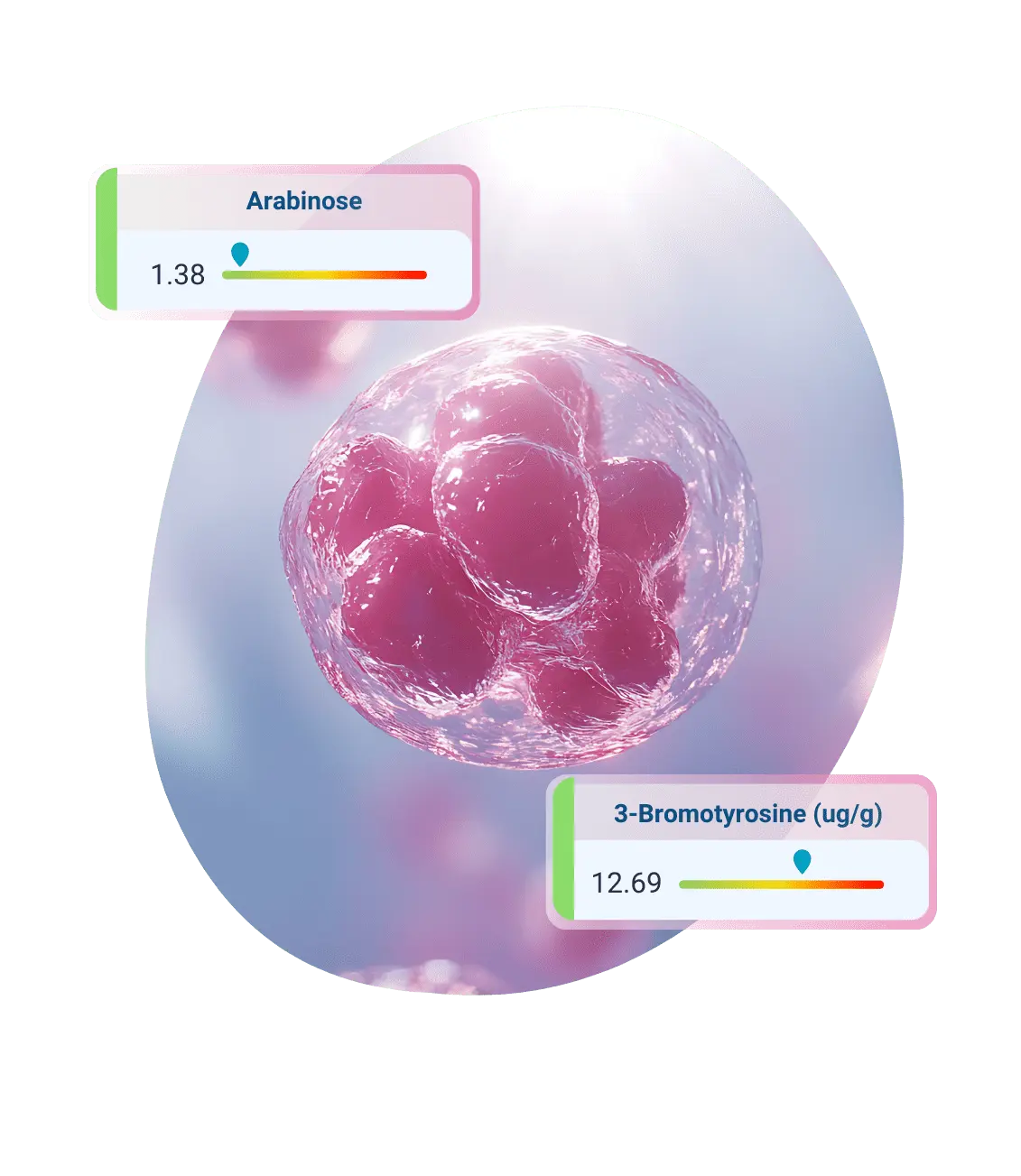
The OAT markers in the Cellular Zoomer cross-reference directly with the microbial metabolite section of the Gut Zoomer, and the mitochondrial and oxidative stress markers explain downstream fatigue and neurological symptoms that gut findings alone don’t fully account for.
Nutrient Zoomer

Gut dysfunction impairs nutrient absorption. Assessing actual cellular nutrient status alongside the Gut Zoomer shows whether deficiencies are contributing to the inability to heal — and which specific nutrients need addressing.
Hormone Zoomer
When gut symptoms track with the menstrual cycle, stress, or sleep, adding the Hormone Zoomer helps identify whether hormonal and cortisol patterns are driving gut instability, or whether gut-driven estrogen dysregulation (via beta-glucuronidase) is the primary issue.
Toxin Zoomer

Barrier dysfunction and microbial imbalance can reflect ongoing toxic burden rather than a primary gut problem. If you have significant mold or chemical exposure history, running both together helps separate gut-origin drivers from environmental ones.
How to Order
Order through the Planet Naturopath portal at this website. Your test kit ships directly from the Vibrant Wellness lab. Shipping is free within the US.
If you’re unsure whether the Gut Zoomer is the right starting point for your situation, a 30-minute consultation before ordering is a good investment.
We can review your history and symptoms and confirm this is the test most likely to give you answers — or suggest a different combination if something else is a better fit.

Still not sure what Is driving your symptoms?
If you’ve been trying to fix this on your own but aren’t seeing results, it may be time to look deeper.
I offer personalised, one-on-one consultations to identify the root cause and create a plan tailored specifically to you.