Insulin Resistance: The Silent Driver Behind Most Modern Disease
One in three adults has it right now. Most of them have no idea — not because it’s rare, not because it’s hard to detect, but because the way we typically test for it misses it entirely, sometimes for a decade or more.
A standard fasting glucose test can look perfectly normal while the underlying problem has been quietly building for years.
The condition is insulin resistance. And in my view, it is the single most important metabolic concept in modern health.
It sits at the root of type 2 diabetes, fatty liver disease, heart disease, PCOS, and metabolic syndrome. Emerging research is now linking it to Alzheimer’s disease — some researchers have started calling Alzheimer’s “Type 3 Diabetes,” and once you understand what insulin resistance actually does to the brain, that framing makes complete sense.
If you’ve read the related articles on fatty liver or calcium metabolism, you’ll notice insulin resistance keeps coming up. That’s not a coincidence. It connects almost everything. Understanding it is one of the most important things you can do for your long-term health — because when it’s caught early, it is one of the most reversible conditions there is.
This article explains what insulin resistance is, how it develops, how to know if you have it, and what you can actually do about it.
Key Takeaways
- Standard blood tests frequently miss insulin resistance for years. Fasting glucose and HbA1c can look normal while fasting insulin is already significantly elevated. Asking specifically for a fasting insulin test is one of the most empowering things you can do at your next blood test.
- Insulin resistance is a spectrum, not an on/off switch. Most people who have it sit in a middle zone — elevated insulin, still normal glucose — and are invisible to conventional testing.
- The condition drives most of the chronic diseases of modern life. Type 2 diabetes, heart disease, fatty liver, PCOS, and emerging evidence for Alzheimer’s disease all have insulin resistance as a central driver.
- Lifestyle interventions are genuinely powerful — especially exercise. Muscle contraction can pull glucose into cells independently of insulin, improving glucose uptake even in insulin-resistant states.
- Sleep and stress are not optional extras. A single night of poor sleep can measurably reduce insulin sensitivity. If these foundations are unstable, other interventions are significantly undermined.
What Insulin Actually Does
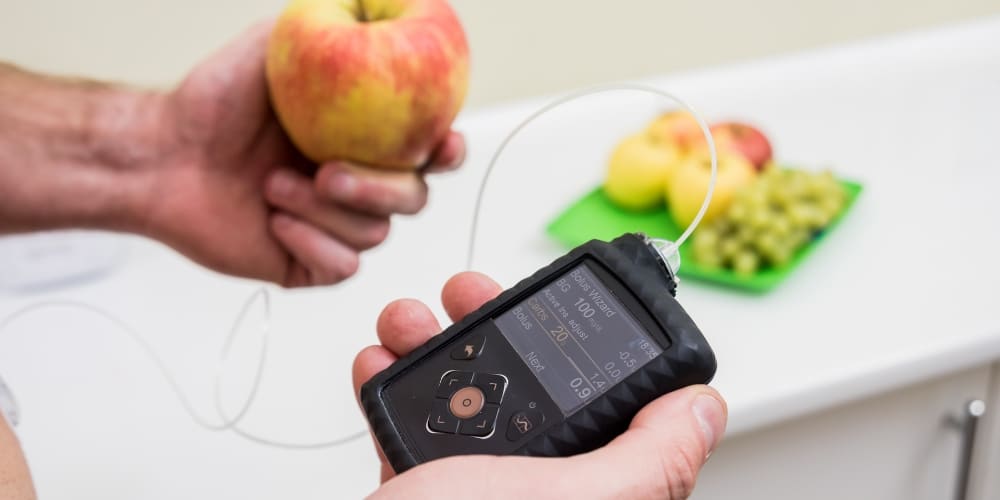
To understand insulin resistance, you first need to understand what insulin is supposed to do — and it’s actually quite elegant.
Every time you eat carbohydrates, your digestive system breaks them down into glucose, which enters your bloodstream. Blood sugar rises, and the pancreas detects this and releases insulin. Insulin’s job is to act as a delivery driver: it carries glucose out of the blood and into your cells, where it can be burned for energy.
When the system is working well, it’s beautifully self-regulating. Blood sugar goes up after a meal, insulin rises in response, glucose gets delivered to cells, blood sugar comes back down, insulin drops. Smooth, efficient, automatic.
Insulin also plays a direct role in fat metabolism. When insulin is elevated, your body is in storage mode — it is actively storing energy, not burning it. This matters because you cannot effectively burn stored body fat while insulin is chronically high. The fat-burning switch stays off. More on that when we get to intermittent fasting.
Think of insulin like a delivery driver knocking on the door of your cells, carrying a package of glucose. When everything is working well, the cells open the door, take the delivery, and the driver moves on. Insulin resistance is what happens when the cells stop answering the door.
What Goes Wrong: The Lock and Key
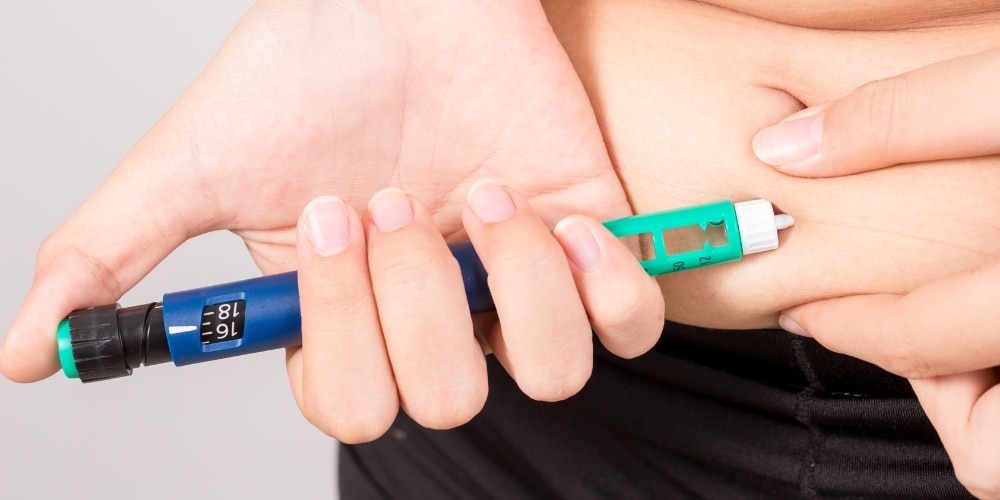
Insulin resistance is when your cells stop responding normally to insulin’s signal. The classic way to think about it is the lock and key model.
Insulin is the key. The receptor on the surface of your cells is the lock. In a healthy system, insulin fits perfectly into the receptor and the door opens. Glucose gets in. But over time, with repeated exposure to high levels of insulin, the lock becomes stiff and corroded. Insulin shows up, but the door doesn’t open as easily as it should.
The pancreas responds by making more insulin — it pushes harder on the key. For a while, this works. Blood sugar stays relatively normal because the pancreas is compensating. But here’s the critical point: fasting insulin levels are quietly climbing the whole time.
This is why standard blood glucose testing misses insulin resistance for years. If you only measure glucose, everything looks fine — because the pancreas is still managing to keep it normal by overworking.
It’s only when the pancreas can no longer keep up — when it’s been under this kind of strain for long enough — that blood sugar finally begins to creep up. That’s when pre-diabetes shows up on a blood test. By that point, the problem has usually been developing for a decade.
Insulin resistance is not an on/off switch either. It’s a spectrum. Most people sitting in that middle zone — with elevated insulin but still normal glucose — are essentially invisible to the conventional testing system.
Standard blood glucose testing is like checking whether water is coming out of the tap, but not measuring the water pressure behind the wall. Fasting insulin and HOMA-IR are the pressure gauges — they tell you what the system is working against long before the tap runs dry.
How Insulin Resistance Develops
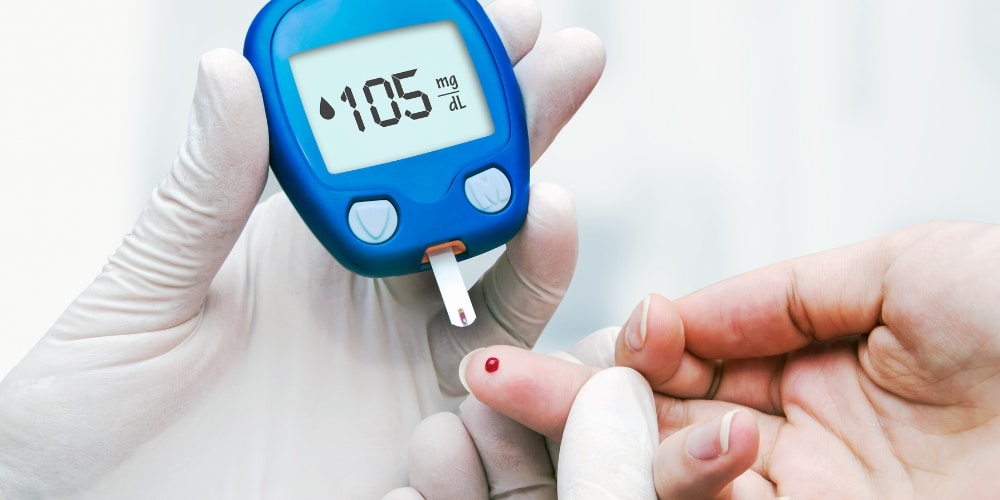
Insulin resistance doesn’t happen overnight. It builds gradually, usually over years, sometimes decades, and typically comes from a combination of factors layering on top of each other.
The primary driver is chronic carbohydrate excess — particularly refined carbohydrates and added sugar. Every time you eat carbohydrates, insulin goes up. That’s normal. The problem is frequency and quantity.
When you’re spiking insulin multiple times a day, every day, for years, with highly refined foods that cause rapid, steep rises, the cells start to become desensitised. Too much knocking, and eventually you stop opening the door.
Fructose deserves specific mention here — and specifically liquid fructose: soft drinks, fruit juice, energy drinks, sweetened coffees. Fructose is processed almost exclusively by the liver.
When you drink large amounts of it with no fibre to slow it down, it overwhelms the liver and gets converted directly into fat. This drives fat accumulation in the liver itself, which is one of the first places insulin resistance takes hold.
Visceral fat — the fat stored around your organs rather than under your skin — is not passive storage. It actively releases inflammatory signals that interfere with insulin signalling. The more visceral fat you carry, the more your cells are bathed in signals that tell them to resist insulin.
Physical inactivity compounds the problem, because muscle is the body’s largest site for disposing of glucose. Chronic stress and poor sleep are two factors most people don’t connect to insulin resistance, but they absolutely should — they’re covered in detail later. Some medications, particularly corticosteroids like prednisone, can also directly promote insulin resistance.
The Symptoms Most People Dismiss

One of the reasons insulin resistance is so insidious is that it tends to be genuinely silent in its early stages. There’s no pain, no dramatic symptom that sends you to the doctor. But if you know what to look for, there are signs — and they’re things that often get dismissed as stress, ageing, or just “how things are.”
Energy crashes after meals are a classic early sign, particularly one to two hours after eating carbohydrates — the kind where you need to lie down or can barely keep your eyes open. Persistent hunger or cravings, even shortly after eating, is another: the feeling that you could eat a full meal and still want something sweet an hour later.
Difficulty losing weight, especially around the abdomen, despite genuinely trying to eat well, is one of the most frustrating signs, because the person knows they’re making an effort and the results aren’t matching.
Elevated triglycerides or low HDL on a standard blood test are often among the first metabolic signs to appear, but they’re frequently not connected to insulin resistance in the conversation with the patient.
In women, PCOS (Polycystic Ovarian Syndrome) is very commonly driven by insulin resistance. Insulin in excess promotes androgen production in the ovaries, which disrupts the hormonal cycle.
Addressing insulin resistance is one of the most effective approaches for PCOS, and it remains underutilised. Brain fog — particularly mid-afternoon mental fatigue — is also something many insulin-resistant individuals describe.
If blood tests have come back “normal” but several of these things resonate, it’s worth looking more carefully. Normal glucose doesn’t mean the system is healthy. It might just mean the pancreas is still compensating.
The Downstream Consequences: What’s at Stake

The most direct downstream consequence of untreated insulin resistance is type 2 diabetes. When the pancreas has been compensating for long enough, the insulin-producing cells start to wear out. At that point, lifestyle approaches alone may not be sufficient, and medication becomes necessary.
Heart disease is another major consequence. Insulin resistance promotes a pattern called metabolic dyslipidaemia: high triglycerides, low HDL, and an increase in small, dense LDL particles that are much more damaging to arteries than standard LDL. It also drives arterial inflammation and high blood pressure. Insulin resistance directly creates the conditions for cardiovascular disease.
Non-alcoholic fatty liver disease (now more commonly called MASLD) is so intertwined with insulin resistance that they’re often two faces of the same underlying problem — covered in detail in the [fatty liver article].
And then there’s the brain. There is a growing and compelling body of research showing that the brain can become insulin-resistant too.
The brain normally runs on glucose, and it needs insulin to use it properly. When brain cells become insulin-resistant, they lose their ability to effectively use glucose as fuel, leading to impaired cognition, memory, and neurodegeneration over time.
Research by Craft et al. examining insulin signalling in Alzheimer’s disease has contributed to the growing interest in this area, and some researchers now refer to Alzheimer’s disease as “Type 3 Diabetes.”
The metabolic decisions made in your thirties and forties are laying the groundwork for cognitive health in your sixties and seventies. The good news — and this is important — is that insulin resistance is one of the most reversible conditions there is. The further upstream you catch it, the more power you have.
Testing: What to Actually Ask For
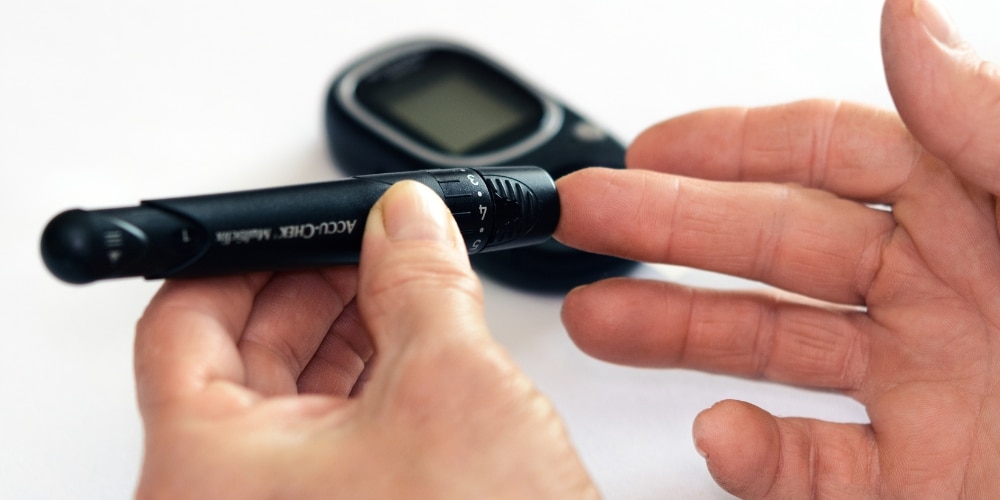
One of the most practical things this article can give you is a clear understanding of which tests actually detect insulin resistance.
The tests that miss it: fasting glucose alone, and HbA1c alone. These are useful, and I’m not dismissing them, but by themselves they can look completely normal while fasting insulin is already significantly elevated and insulin resistance has been building for years.
The test to ask for specifically: fasting insulin.
When you have both fasting insulin and fasting glucose, you can calculate HOMA-IR (Homeostatic Model Assessment of Insulin Resistance). The formula is: fasting insulin multiplied by fasting glucose, divided by 22.5.
You don’t need to do the maths yourself — there are free calculators online, or ask your practitioner. A HOMA-IR below about 1.5 is optimal. Above 2.5 is significant. Above 3.5 is in the range where meaningful intervention is needed.
Fasting insulin itself should ideally be below about 8 to 10 mIU/L. Many labs don’t flag it as “abnormal” until it’s well above this, which is part of the problem.
There’s also a useful proxy you may be able to calculate from standard blood results you already have: your triglyceride-to-HDL ratio. Take your triglycerides, divide by your HDL. Using mmol/L (standard in Australia and the UK), a ratio below 1.0 is good. Above 2.0 suggests significant insulin resistance. This won’t replace fasting insulin, but it’s a useful window from a standard blood panel.
When you have your results: calculate HOMA-IR using an online calculator, and check your triglyceride:HDL ratio. If your fasting insulin is elevated, that’s the conversation to have with your practitioner.
The Diet Fix: Carbohydrate Quality and Fructose

Reversing insulin resistance doesn’t necessarily require a strict low-carbohydrate diet. It requires a lower insulin diet — and those aren’t quite the same thing.
The question is not how many carbohydrates you eat, it’s what kind and how quickly they raise blood sugar. Refined carbohydrates — white bread, white rice, pastries, most breakfast cereals, crackers — cause rapid, steep blood sugar spikes. The pancreas has to release a large amount of insulin quickly. Do that multiple times a day, every day, and you understand how insulin resistance develops.
Whole food carbohydrates — legumes, vegetables, oats, sweet potato, most whole fruits — release glucose much more slowly because of their fibre, water content, and the way they’re digested. The insulin response is measured and gradual. That’s a fundamentally different signal to your cells.
Think of your blood sugar like a boat on water. A low-GI meal creates gentle, gradual waves. The boat moves, but stays stable and upright. A high-sugar meal or a soft drink creates a sudden, steep wave that rocks the boat hard.
Your pancreas has to scramble to stabilise it. Do that multiple times a day, every day, for years, and the hull starts to take damage. Insulin resistance is the hull damage.
The single most impactful dietary change most people can make is to remove liquid sugar completely: soft drinks, fruit juice, energy drinks, sweetened coffees.
Liquid fructose goes straight to the liver with nothing to slow it down, there’s no satiety signal, and it converts directly into liver fat when consumed in excess. Whole fruit is generally fine — the fibre changes everything, slowing absorption and reducing the insulin response.
Protein and fat don’t spike insulin the way refined carbohydrates do. Adequate protein is also important for maintaining muscle mass, and as the next section explains, muscle is your body’s most powerful tool for glucose disposal.
Ultra-processed foods deserve mention beyond their sugar content. The additives, emulsifiers, and lack of fibre in ultra-processed foods promote gut dysbiosis and intestinal inflammation, both of which independently impair insulin sensitivity.
Exercise: Muscle as a Glucose Sponge

Exercise is probably the most underrated tool for reversing insulin resistance. The reason comes down to muscle.
Skeletal muscle is the body’s largest site for glucose disposal. When muscle cells are working, they absorb glucose from the bloodstream and use it for energy. But here’s what makes this particularly interesting: muscle contraction can pull glucose into cells through a mechanism that is partially independent of insulin.
When you exercise, muscle cells increase GLUT4 transporters on their surface — essentially opening more doors for glucose to enter, even when insulin sensitivity is impaired.
Research by Richter and Hargreaves published in Physiological Reviews confirmed that muscle contraction increases GLUT4 translocation to the cell surface independently of insulin, allowing glucose uptake even in insulin-resistant states. The improvement in insulin sensitivity persists for 24 to 72 hours after exercise.
Think of muscle as a giant sponge for glucose. When you squeeze the sponge — when you exercise or move — it soaks up glucose directly from the bloodstream. The more sponge you have, and the more you squeeze it, the less work insulin has to do.
Losing muscle mass — which happens with age and inactivity — means less sponge. The glucose has to go somewhere, and it tends to go where you don’t want it.
Resistance training is particularly important because it builds and maintains muscle mass over time. The more muscle you have, the more glucose disposal capacity your body has.
From a metabolic standpoint, building muscle is one of the best long-term investments you can make. Aerobic exercise also improves insulin sensitivity acutely and is excellent for overall metabolic health. Both types are complementary.
One simple, evidence-backed strategy: a 10 to 15-minute walk after your largest meal of the day. Studies have shown this measurably blunts the post-meal glucose spike. The muscle activity gives the glucose somewhere to go rather than sitting in the bloodstream waiting for insulin to manage it.
Prolonged sitting independently worsens insulin sensitivity. Even if you exercise in the morning, sitting for eight hours at a desk partially offsets the benefit. Breaking up sedentary time matters.

This section is particularly important if you’ve been doing everything “right” with diet and exercise but still not seeing the results you expect.
Sleep deprivation is one of the most underappreciated drivers of insulin resistance. A single night of poor sleep — four to five hours — can measurably reduce insulin sensitivity the following day. Not weeks of deprivation. One night.
Research by Spiegel, Tasali, and colleagues published in Sleep found that restricting sleep to five hours per night for one week reduced insulin sensitivity by approximately 25% compared to normal sleep duration.
The mechanism involves elevated cortisol and disrupted growth hormone secretion, both of which antagonise insulin.
Poor sleep also raises ghrelin (your hunger hormone) and reduces leptin (your satiety hormone). Sleep deprivation directly impairs insulin sensitivity and makes you hungrier the following day, driving cravings for exactly the foods that worsen insulin resistance. It’s a particularly vicious cycle.
Chronic stress follows a similar pattern. Cortisol is a glucocorticoid — its job in an acute stress response is to raise blood sugar so your muscles have fuel to respond. That’s a brilliant short-term mechanism.
The problem is that in chronic stress, cortisol keeps blood sugar elevated persistently, and the pancreas keeps responding with insulin.
The stress-insulin resistance cycle looks like this: chronic stress raises cortisol, cortisol raises blood sugar, blood sugar raises insulin, excess insulin promotes weight gain (especially visceral fat), visceral fat drives more inflammation and more cortisol. Round and round it goes.
Sleep apnoea is worth flagging specifically. It’s extremely common in people with insulin resistance and directly worsens insulin resistance through repeated nighttime cortisol spikes and oxygen deprivation. If you snore heavily or wake unrefreshed, it’s worth investigating.
You can eat a perfect diet and exercise consistently — and if you’re chronically sleep-deprived or living under sustained stress, it will significantly undermine your results. These are not optional extras. They are foundations.
Key Supplements: The Evidence Base
Supplements are adjuncts. They work best when the foundations are already in place — when diet, movement, sleep, and stress are being addressed.
With that said, there are compounds with genuinely strong evidence for improving insulin sensitivity, and they can make a meaningful difference as part of a comprehensive approach.
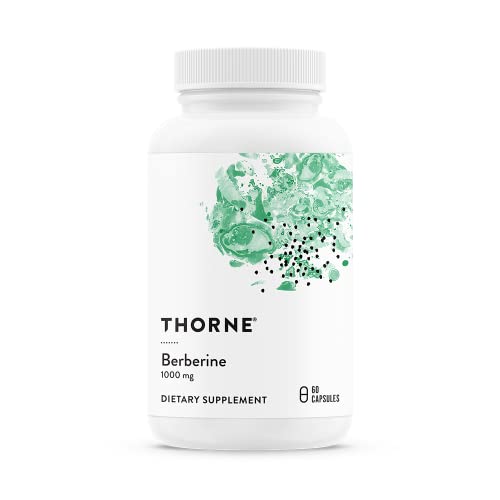
Berberine
Berberine is the one to start with, because the evidence is impressive. Berberine is a plant compound found in herbs including barberry and goldenseal.
It works by activating an enzyme called AMPK — the same mechanism as metformin, the most widely prescribed diabetes medication.
A randomised controlled trial by Yin et al. published in Metabolism showed that berberine (500mg three times daily for three months) reduced fasting glucose, post-meal glucose, HbA1c, triglycerides, and insulin resistance markers comparably to metformin.
Typical dose is 500mg two to three times a day with meals. Berberine is a legitimate option worth discussing with your practitioner, especially at earlier stages.
Magnesium
Magnesium is one that everyone should be paying attention to. Magnesium is required as a cofactor in over 300 enzymatic reactions, including the reaction where insulin binds to its receptor. Deficiency directly impairs insulin signalling.
And here’s the problematic part: insulin resistance itself causes the kidneys to excrete more magnesium, so the condition creates a deficiency that then makes the condition worse.
Magnesium deficiency is also extremely common in the modern diet, because soil depletion and food processing have reduced magnesium content significantly.
Form matters — magnesium glycinate or magnesium malate are better absorbed and less likely to cause digestive upset than cheaper forms. Typical dose is 300 to 400mg daily.

Alpha Lipoic Acid (ALA)
Alpha Lipoic Acid (ALA) is a powerful antioxidant that improves the ability of insulin-sensitive cells to take up glucose. It’s particularly useful when oxidative stress is a factor, which it tends to be in established insulin resistance. Dose is typically 300 to 600mg daily.

Chromium
Chromium is a trace mineral that enhances the sensitivity of the insulin receptor. The evidence is moderate but consistent across multiple studies showing improvements in glucose tolerance, particularly in people who are deficient. The most studied form is chromium picolinate at 200 to 1000 micrograms daily.

Inositol
Inositol (specifically myo-inositol) deserves particular mention for anyone with PCOS. Inositol improves insulin signalling at the receptor level, and there’s good evidence for reductions in fasting insulin, improvements in ovulation, and reductions in androgen levels in PCOS. Typical dose is 2 to 4 grams of myo-inositol daily.

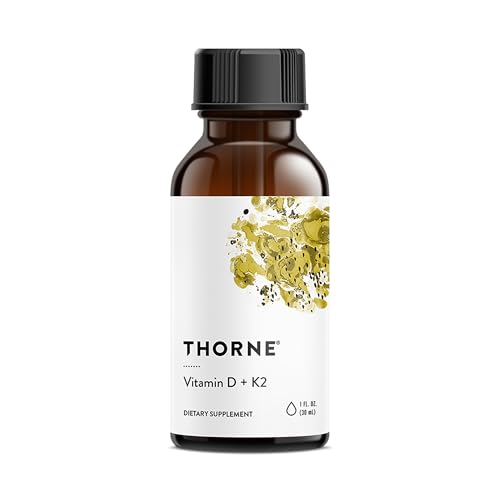
Vitamin D
Vitamin D is not specifically an insulin resistance supplement, but if you’re deficient, correcting that is worthwhile. There is a consistent association between low vitamin D and increased insulin resistance, and supplementing in deficient individuals tends to improve metabolic markers.
Intermittent Fasting: A Powerful Tool, with Important Caveats
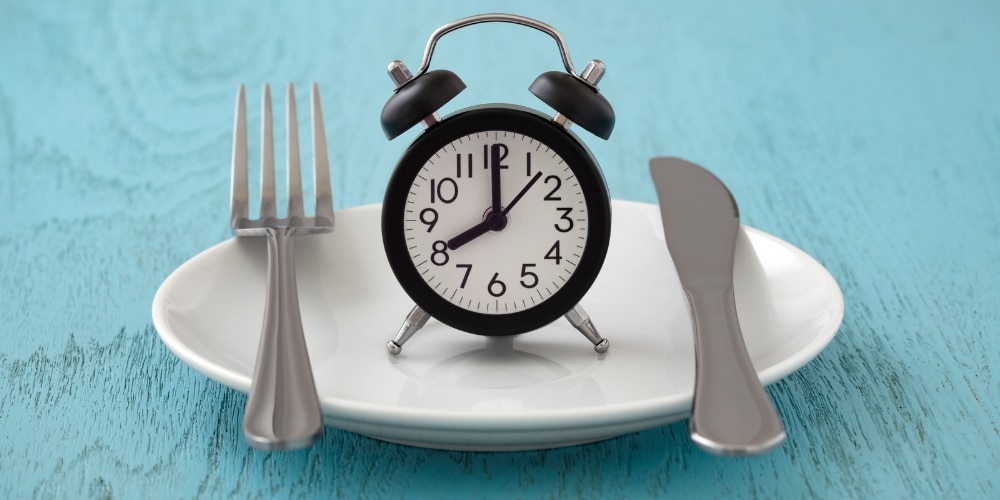
Intermittent fasting is one of the most effective tools for resetting insulin sensitivity, and the mechanism is straightforward once you understand insulin’s role.
When you’re not eating, insulin drops. Sustained low insulin — over several hours of fasting — allows cells to gradually re-sensitise to the hormone. It also switches the body from glucose-burning mode to fat-burning mode, something that chronically elevated insulin actively prevents.
The most practical approach for most people is the 16:8 protocol: eating within an eight-hour window (for example, 10am to 6pm) and fasting for 16 hours including sleep. This isn’t as dramatic as it sounds — a lot of that fasting time is while you’re asleep.
Beyond the insulin effect, time-restricted eating tends to reduce overall food intake without calorie counting, promotes autophagy (the body’s cellular repair process), and over time reduces visceral fat.
That said, intermittent fasting is not for everyone. Pregnant or breastfeeding women should avoid it. People with a history of disordered eating need to approach it very carefully, if at all. Those on diabetes medication that can cause hypoglycaemia need to manage this with their practitioner. Underweight individuals should not attempt it.
And here’s one that doesn’t get talked about enough: people who are highly stressed or significantly sleep-deprived should not rush into intermittent fasting. Fasting is itself a mild physiological stressor — it activates the HPA axis and raises cortisol mildly as part of the normal fasting response.
In a healthy, well-rested person, this is fine and part of what makes fasting beneficial. But if your stress system is already overloaded, adding intermittent fasting on top is like adding another weight to an already strained system. Instead of improving insulin sensitivity, it can worsen it, disrupt sleep further, and increase cravings.
The sequence matters. If sleep and stress are significant issues, address those first. Get the foundations stable. Then introduce intermittent fasting when your system has the capacity to benefit from it rather than react to it as another stressor. For people who are sleeping well and managing stress reasonably, intermittent fasting can be genuinely transformative. But it’s a tool, not a rule.
Upstream vs Downstream Medicine: Knowing When Natural Isn’t Enough
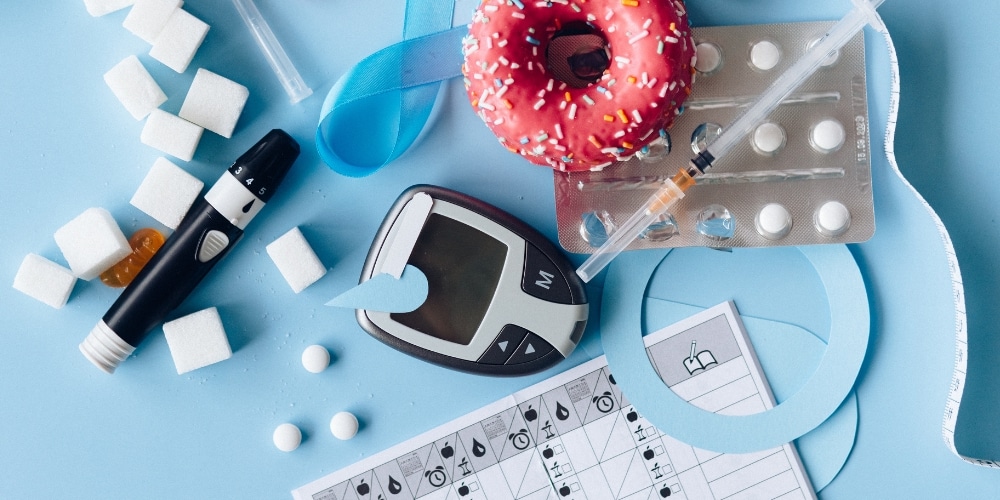
Everything covered in this article — the diet, the movement, the sleep, the stress management, the supplements, the intermittent fasting — these are upstream interventions.
They address the root cause, not just the measurement. And insulin resistance caught at the pre-diabetes stage, with committed lifestyle change, is genuinely reversible in most cases.
But downstream medicine exists for good reasons. If insulin resistance has been ignored for long enough, if the pancreatic beta cells have been under strain for years and are significantly depleted, lifestyle approaches alone may not be sufficient.
Metformin, or in more advanced cases insulin itself, becomes necessary. That is not a failure. That is the right tool for that stage of the condition.
Some people refuse any medication, even when they genuinely need it, because they’re committed to a purely natural approach. Others assume their diagnosis means they need medication immediately, without exploring what lifestyle change can achieve first. Both positions can be harmful. The goal is your health, not adherence to a particular philosophy.
If you’re working on the foundations in this article and not seeing movement in your numbers after three to six months of genuine effort, that’s a conversation worth having with your practitioner about whether additional support is appropriate.
A Practical Six-Step Plan
Step 1: Get tested
At your next blood panel, ask specifically for fasting insulin. Combine it with your fasting glucose to calculate HOMA-IR. Check your triglyceride-to-HDL ratio from results you may already have. Know where you actually are.
Step 2: Remove liquid sugar
Soft drinks, fruit juice, sweetened coffees, energy drinks — out. This single change can produce measurable improvements in insulin sensitivity within weeks, and it removes one of the primary drivers of liver-based insulin resistance.
Step 3: Move after your largest meal
Even a ten-minute walk. This is the lowest-barrier, highest-impact movement strategy for post-meal glucose management. It works, and you can start today.
Step 4: Protect your sleep
Seven to nine hours. If something is chronically disrupting your sleep — stress, screen time, sleep apnoea — this needs attention before you try to add more interventions. The foundations matter.
Step 5: Consider berberine and magnesium
Consider berberine and magnesium as a starting supplemental approach. Discuss with your practitioner, especially if fasting insulin or HOMA-IR are elevated.
Step 6: Once sleep and stress are more stable, consider time-restricted eating
Start with a 12-hour eating window and work toward 16 hours if it suits you. Don’t rush this one, and don’t add it when your system is already under strain.
Insulin resistance is not a life sentence. It is a signal from your body that the system is under strain — and the body is extraordinary at recovering when given the right conditions. Start upstream, and start now.
Frequently Asked Questions
References
- Insulin resistance and brain insulin signalling in Alzheimer’s disease — Craft et al., 2012
- Berberine vs metformin in type 2 diabetes (RCT) — Yin et al., 2008
- Exercise, GLUT4, and skeletal muscle glucose uptake — Richter & Hargreaves, 2013
- Sleep curtailment and reduced insulin sensitivity — Spiegel, Tasali et al., 2007