Vibrant Wellness Foundation Zoomer: Complete Guide
Most standard blood panels are designed to detect disease – not to understand how well your body is actually functioning. They check whether key markers fall inside a broad reference range, and if they do, you’re told everything is “normal.”
But normal on a population-based range isn’t the same as optimal, and many of the most important drivers of chronic symptoms – hormonal imbalances, subtle thyroid dysfunction, early metabolic changes, gut-immune activation, early cardiovascular risk – don’t become obvious until they’ve been building for years.
The Vibrant Wellness Foundation Zoomer is a comprehensive blood panel designed to give a genuine whole-body baseline. It covers metabolic and cardiovascular health, a full hormone and thyroid panel, blood health, organ function, key nutrients, immune activity, and gut barrier markers – all in one organized report.
If you’re looking for a thorough starting point for understanding your health, or you want more depth than a standard annual physical provides, this is where to begin.
What Is the Foundation Zoomer?
The Foundation Zoomer is a blood-based test covering over 100 markers across seven clinical domains. Unlike most standard panels that assess systems in isolation, it’s structured to show how key systems – metabolic, hormonal, cardiovascular, immune, and digestive – relate to one another and where imbalances may be building.
It requires a standard venipuncture blood draw. US-based clients can find their nearest draw location at this map. Outside the US, a local lab or mobile phlebotomist can perform the collection – contact us if you need guidance.
What Does the Foundation Zoomer Measure?
Blood Health

CBC with Differential
The complete blood count with differential is one of the most informative routine panels available when interpreted in full.
The Foundation Zoomer includes a comprehensive CBC covering red blood cell indices (RBC, hemoglobin, hematocrit, MCV, MCH, MCHC, RDW), white blood cell differential (neutrophils, lymphocytes, monocytes, eosinophils, basophils, immature granulocytes), platelet count, nucleated RBCs, and a full reticulocyte panel including immature reticulocyte fraction and reticulocyte hemoglobin.
The reticulocyte hemoglobin is particularly useful – it reflects functional iron available for new red blood cell production over the previous 3-4 days, making it a sensitive early marker of iron deficiency even when serum ferritin appears normal.
Anemia and Iron Panel
Ferritin, iron, UIBC, TIBC, transferrin, and transferrin saturation. This combination allows proper characterization of iron status – distinguishing true iron deficiency from anemia of chronic disease, assessing iron overload risk, and identifying functional iron deficiency where stores appear adequate but utilization is impaired.
Metabolic and Cardiovascular Markers

Complete Metabolic Panel (CMP)
Sodium, potassium, chloride, carbon dioxide, glucose, BUN, creatinine, eGFR, BUN/creatinine ratio, calcium, albumin, total protein, ALT, AST, alkaline phosphatase, total bilirubin, GGT, and serum osmolality.
This gives a comprehensive picture of kidney function, liver function, electrolyte balance, and basic metabolic status. Rather than going through each marker individually, the CMP is best understood as a systems check – when multiple markers within the same organ system shift together, the pattern is often more informative than any single value.
Lipid Panel and Advanced Cardiovascular Markers
Total cholesterol, LDL (calculated and direct), HDL, triglycerides, and cholesterol/HDL ratio form the standard lipid picture. The Foundation Zoomer goes further with ApoA-1, ApoB, and the ApoB:ApoA-1 ratio – which provide a more accurate picture of atherogenic particle burden than LDL alone.
Also included are sdLDL (small dense LDL), Lp(a), oxidized LDL, MPO, PLAC (Lp-PLA2), homocysteine, and hsCRP. These markers reflect plaque activity, endothelial inflammation, and clotting risk that a basic lipid panel misses entirely.
Glycemic Control and Insulin Resistance
HbA1c, glucose, and glycated serum protein (GSP) assess long-term and short-term glycemic control. GSP reflects average blood glucose over the previous 2-3 weeks, making it useful when HbA1c may be unreliable.
Fasting insulin, adiponectin, and leptin round out the metabolic picture – identifying insulin resistance and metabolic dysfunction well before diabetes develops.
Other Metabolic Markers
Uric acid, LDH, total CK, cystatin C, IGF-1, and total IgG and IgM. Cystatin C is a more sensitive kidney function marker than creatinine alone, particularly in early chronic kidney disease.
IGF-1 reflects growth hormone activity and has implications for body composition, metabolic rate, and longevity. Total CK is useful in the context of muscle symptoms, statin use, or exercise-related recovery.
Hormone and Endocrine Panel
The Foundation Zoomer includes a comprehensive hormone panel covering all major endocrine axes – far more than a standard hormone panel typically ordered by a GP.
Sex Hormones
Estradiol (E2), progesterone, total testosterone, free testosterone, DHT, DHEA-S, LH, FSH, prolactin, SHBG, and pregnenolone. This combination allows assessment of sex hormone production, binding, and metabolism, and identifies patterns like estrogen dominance, low androgen states, elevated SHBG reducing free testosterone availability, or reproductive axis dysfunction.
For women the test is best done in the luteal phase of their cycle around days 19-22.
Adrenal
Cortisol and parathyroid hormone. A single morning cortisol provides a snapshot of adrenal output. If adrenal rhythm is a primary concern, the Hormone Zoomer’s four-point diurnal cortisol and cortisol awakening response gives a far more detailed picture.
Thyroid – Full Panel
TSH, free T3, free T4, total T3, total T4, reverse T3, anti-TPO, and anti-TG. This is a genuinely complete thyroid assessment.
Most standard thyroid panels only include TSH and free T4, which misses conversion problems (low T3 despite normal T4), elevated reverse T3 (which can block T3 receptor activity), and autoimmune thyroid activity that may be driving symptoms before TSH becomes abnormal.
Running the full panel is essential for anyone with persistent fatigue, weight changes, temperature dysregulation, mood issues, or hair loss that hasn’t been explained by basic testing.
Nutrient Status
Vitamin D (25-OH), folate, and vitamin B12. These three are assessed as functional markers – B12 with clinical context around deficiency patterns, folate with attention to methylation implications, and vitamin D with awareness that 25-OH reflects storage status rather than active hormone availability.
For anyone wanting a full cellular-level nutrient assessment covering all vitamins, minerals, amino acids, and fatty acids, the Nutrient Zoomer provides that depth alongside nutrient-related genetics.
Gut Health Markers
Zonulin, anti-zonulin IgG, anti-actin IgG, and anti-LPS IgG+IgM. These four markers assess intestinal barrier integrity and gut-immune activation directly from a blood sample – without requiring a stool test.
Zonulin is the primary regulator of tight junction permeability; elevated levels indicate increased intestinal permeability (leaky gut). Anti-actin IgG reflects immune response to cytoskeletal proteins exposed when gut barrier integrity is compromised.
Anti-LPS reflects immune activation in response to bacterial endotoxin translocating across a leaky gut – one of the key mechanisms by which gut dysfunction drives systemic inflammation.
These markers are particularly relevant for anyone with autoimmune conditions, chronic inflammation, food sensitivities, or systemic symptoms without a clear cause.
Immune Activity
RF IgM, anti-CCP3 (IgG and IgA), total IgG, total IgM, ANA IFA, IL-6, and TNF-α.
The inflammatory cytokines IL-6 and TNF-α are upstream drivers of chronic inflammation that often remain elevated even when CRP appears normal – important markers for anyone with persistent fatigue, metabolic dysfunction, or chronic pain.
The ANA IFA panel, RF IgM, and anti-CCP3 provide a basic autoimmune screen. For anyone with more complex autoimmune presentations, the Immune Zoomer provides a dedicated 50+ marker tissue-specific autoantibody panel across six domains.
Who Should Consider the Foundation Zoomer?
This test is a good fit for:
- Persistent fatigue, low energy, or poor stamina without a clear explanation
- Brain fog or difficulty concentrating
- Unexplained weight changes or difficulty managing weight
- Mood changes, irritability, or low mood
- Sleep disruption or stress intolerance
- Blood sugar instability or metabolic concerns
- Cardiovascular risk factors or family history of heart disease
- Hormonal symptoms – PMS, menopause, low testosterone, or thyroid-related symptoms
- Ongoing inflammation or immune concerns
- Anyone who has been told their standard labs are normal but continues to feel unwell
- Anyone looking for a comprehensive clinical starting point before deciding which more specialized testing to pursue
How the Foundation Zoomer Compares to a Standard Physical
A typical annual physical might include a basic metabolic panel, CBC, lipid panel, and TSH. The Foundation Zoomer covers all of that and adds free T3, free T4, reverse T3, thyroid antibodies, a full sex and adrenal hormone panel, ApoB, Lp(a), sdLDL, oxLDL, MPO, PLAC, homocysteine, fasting insulin, adiponectin, leptin, IGF-1, cystatin C, gut barrier markers, IL-6, TNF-α, ANA, RF, anti-CCP3, and more.
For someone who hasn’t had comprehensive testing done, or who has been told their labs are “fine” while continuing to feel unwell, the difference in clinical picture can be significant.
Foundation Zoomer Cost
The Foundation Zoomer is $695 USD when ordered individually through the Planet Naturopath portal.
It works well as part of a bundle. The 3 Zoomer bundle is $1,300 and allows you to combine it with two other Zoomers. A common pairing is Foundation Zoomer + Hormone Zoomer + Gut Zoomer for a comprehensive whole-body assessment, or Foundation Zoomer + Cardio Zoomer for anyone with cardiovascular risk as a primary concern.
Tests That Work Well With the Foundation Zoomer
Hormone Zoomer
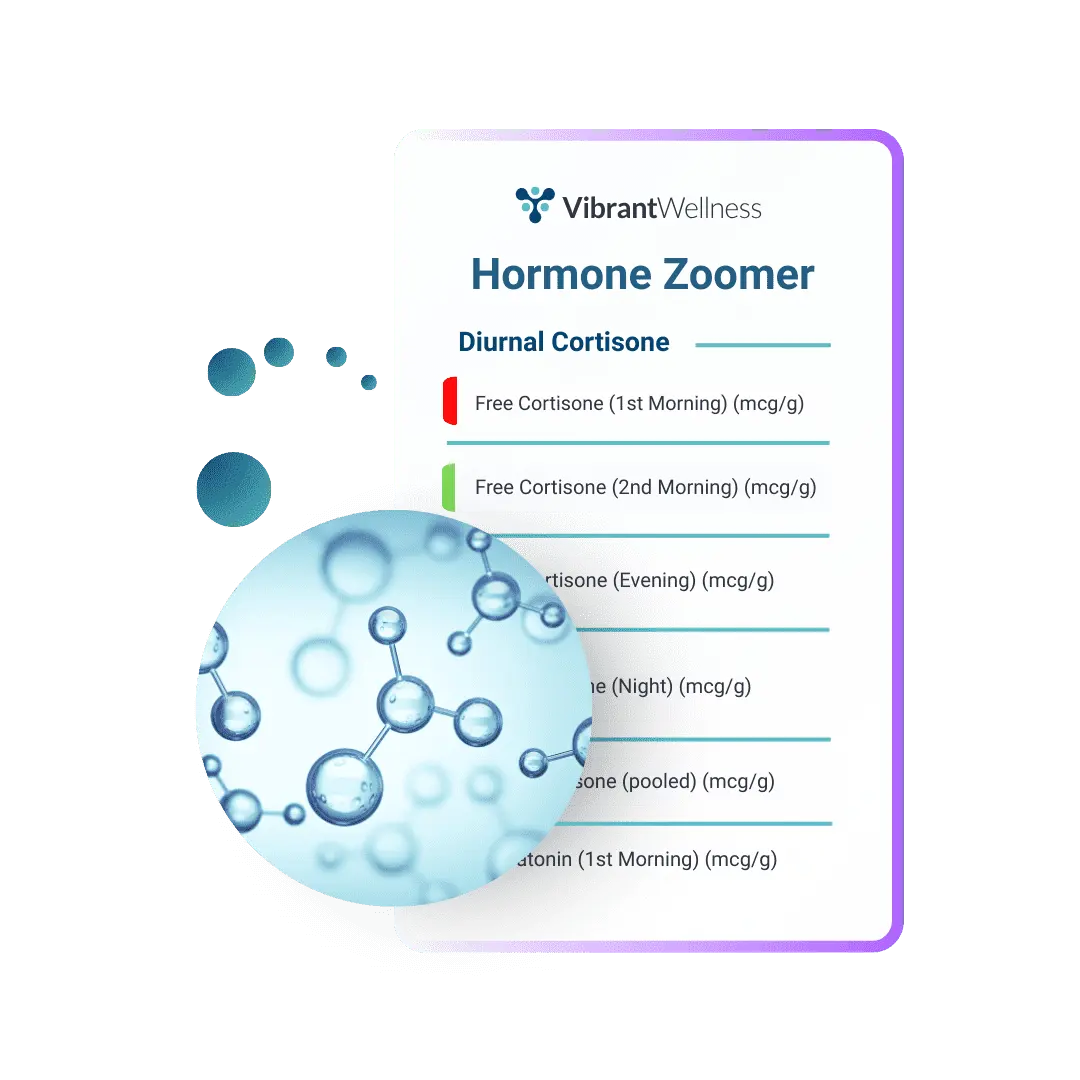
The Foundation Zoomer includes a blood-based hormone snapshot. The Hormone Zoomer adds full urinary hormone metabolites, diurnal cortisol and cortisol awakening response, melatonin, and endocrine-disrupting chemical exposure – providing the deeper hormonal picture for anyone where hormones are a primary concern.
Gut Zoomer + Neurotransmitters
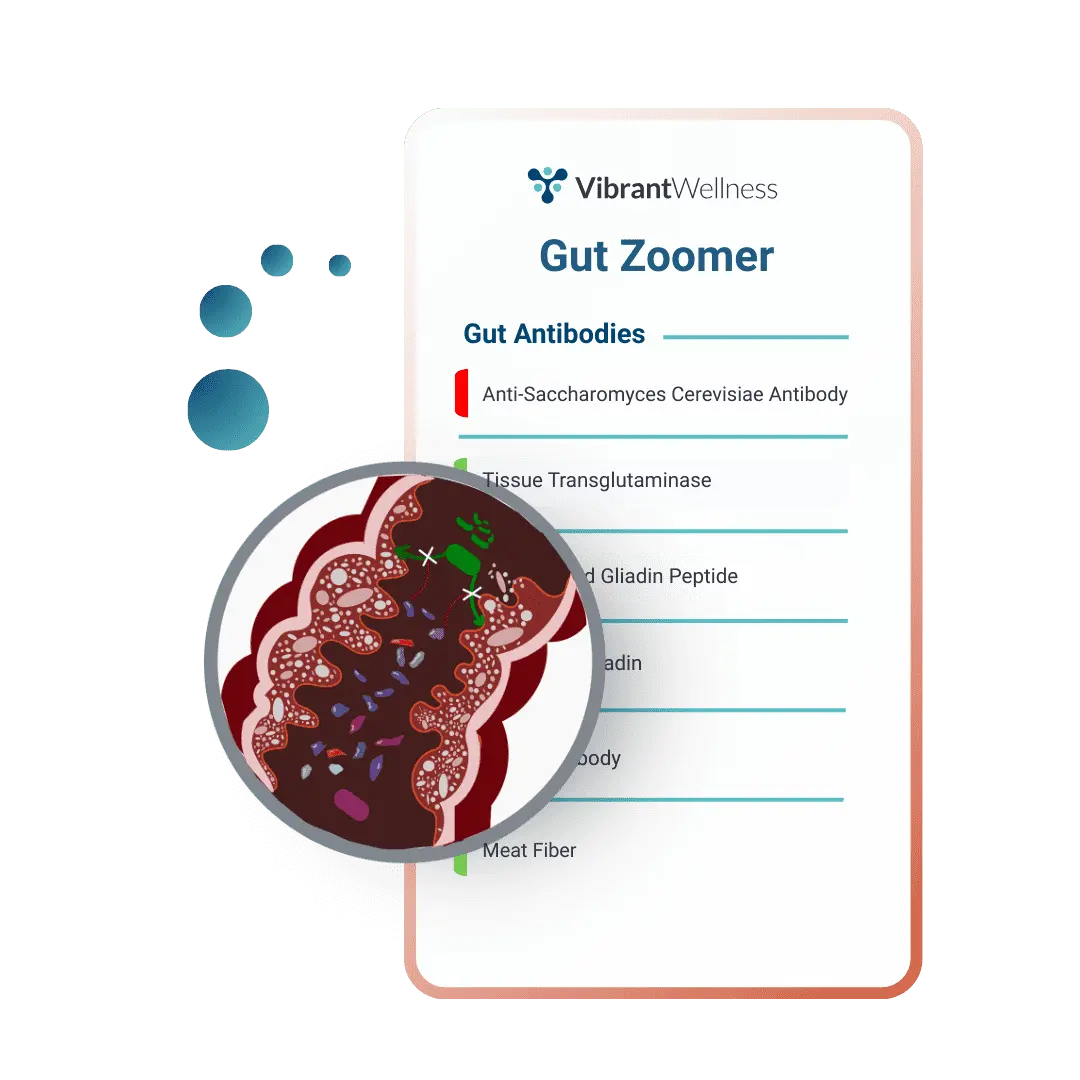
The Foundation Zoomer’s gut barrier markers flag whether intestinal permeability is contributing to systemic inflammation. The Gut Zoomer identifies exactly what’s driving it – pathogens, dysbiosis, SCFAs, inflammatory markers, and gut-brain neurotransmitter pathways.
Cardio Zoomer
The Foundation Zoomer includes solid cardiovascular coverage, but the Cardio Zoomer adds ceramides, sterol balance, the full endothelial NO pathway, cardiac stress markers, and a comprehensive cardiovascular genetics panel for anyone wanting the most detailed cardiovascular risk assessment available.
Nutrient Zoomer
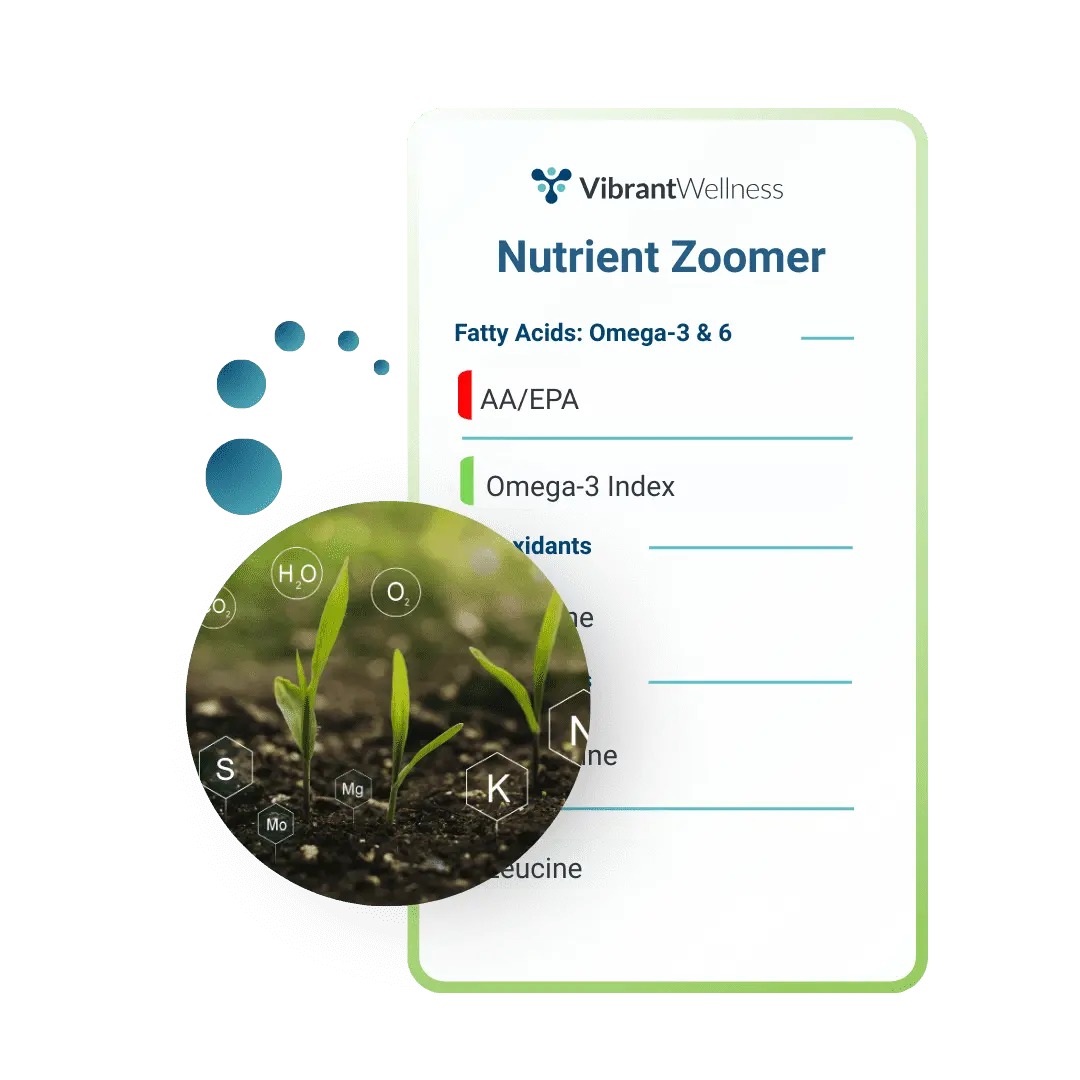
The Foundation Zoomer checks vitamin D, B12, and folate. The Nutrient Zoomer adds cellular-level assessment of all B vitamins, minerals, amino acids, fatty acids, CoQ10, and antioxidants alongside genetic variants affecting absorption and utilization.
Immune Zoomer
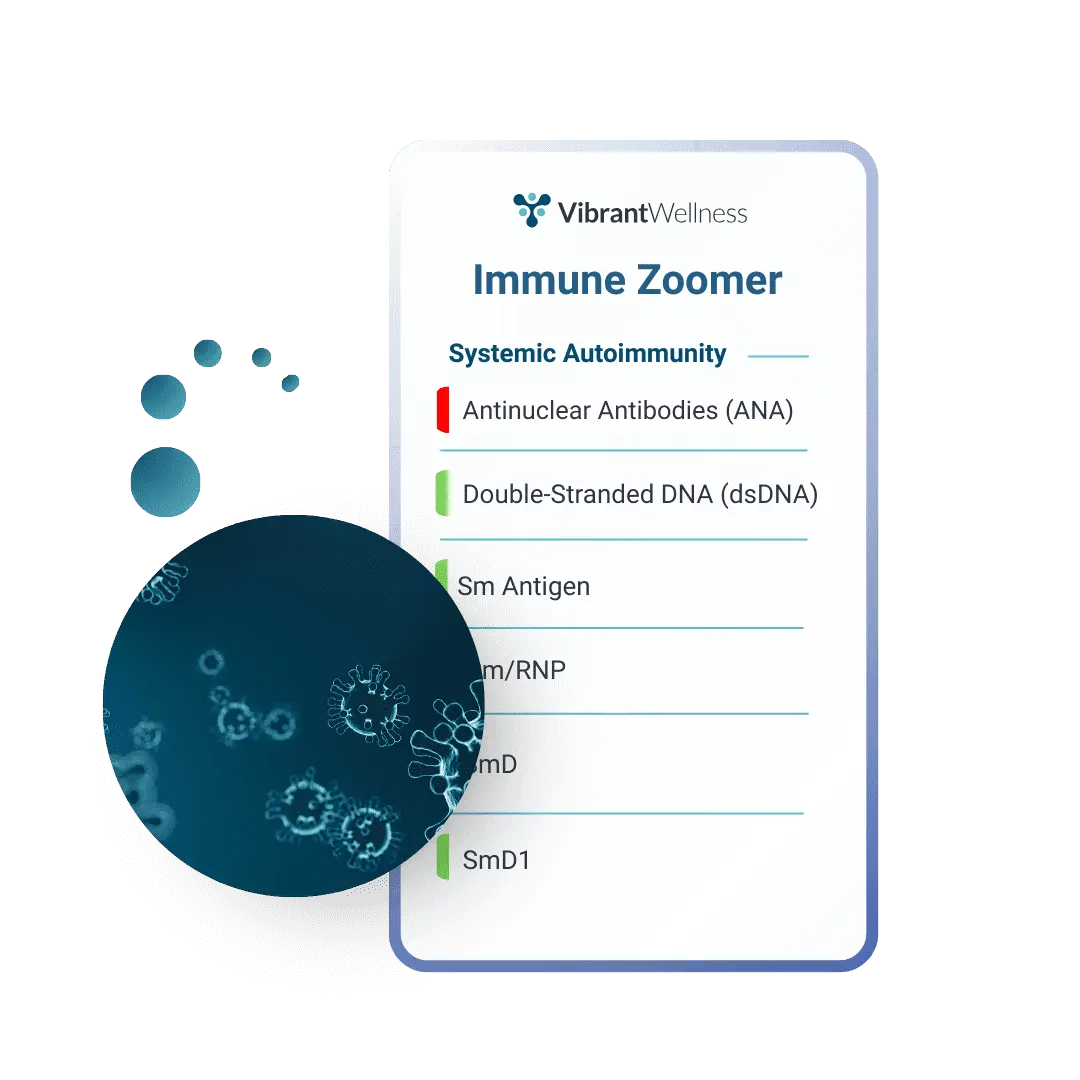
Where the Foundation Zoomer provides a basic autoimmune screen, the Immune Zoomer maps tissue-specific autoantibody patterns across six organ systems – useful for anyone with an autoimmune diagnosis or multi-system symptoms.
How to Order
Order through the Planet Naturopath portal here. Once your kit arrives, you’ll need a standard venipuncture blood draw. US-based clients can find their nearest draw location at this map. Outside the US, a local lab or mobile phlebotomist can perform the draw – contact us if you need help arranging this.
Fast for at least 8 hours before your draw for accurate lipid, glucose, and insulin results. Water is fine.
Not sure if the Foundation Zoomer is the right starting point, or which additional tests make sense for your situation? A 30-minute consultation before ordering is a good investment.

Still not sure what Is driving your symptoms?
If you’ve been trying to fix this on your own but aren’t seeing results, it may be time to look deeper.
I offer personalised, one-on-one consultations to identify the root cause and create a plan tailored specifically to you.
Frequently Asked Questions
Is this the same as a standard blood panel from my doctor?
No. A standard physical typically includes a basic metabolic panel, CBC, lipid panel, and TSH. The Foundation Zoomer adds a full thyroid panel including reverse T3 and thyroid antibodies, complete sex and adrenal hormone assessment, advanced cardiovascular markers (ApoB, Lp(a), sdLDL, homocysteine, MPO, oxLDL), insulin resistance markers, gut barrier markers, inflammatory cytokines, and a basic autoimmune screen – among others.
Do I need to fast before the blood draw?
Yes – fast for at least 8 hours beforehand. Water is fine. This ensures accurate results for lipids, glucose, insulin, and related metabolic markers.
How is the sample collected?
A standard venipuncture blood draw. US clients can find a draw location at this map. Outside the US, arrange a draw at a local lab or through a mobile phlebotomist.
My standard labs keep coming back normal but I still feel unwell. Will this test be different?
Potentially, yes. The Foundation Zoomer includes markers that standard panels routinely omit – thyroid antibodies, reverse T3, free testosterone, fasting insulin, homocysteine, gut barrier markers, IL-6, TNF-α – that frequently identify the drivers of persistent symptoms even when basic panels appear unremarkable.
What happens after I get my results?
Results are delivered to your portal. You have the option to book a results consultation to review findings with me and receive a personalized plan. Given the volume of data this test generates, a consultation is recommended.