Fatty Liver: The Complete Natural Reversal Guide
One in four adults worldwide now has fatty liver disease.
That’s more common than type 2 diabetes. And for most people, the diagnosis comes completely by accident — they go for an ultrasound for something unrelated, a gallstone check or abdominal pain, and the radiologist mentions it almost as an afterthought: “Oh, and your liver looks a bit fatty.” Then they’re sent home with a pamphlet that says eat less fat and exercise more.
Which is about as helpful as telling someone with a slow oil leak in their car to just drive more carefully.
This article covers what that pamphlet left out: why your liver actually got this way — because it’s usually not what you think. What the stages mean and why acting early matters enormously. The diet and lifestyle changes the research actually supports. And the specific supplements and herbs with genuine clinical evidence behind them.
And here’s the most important thing to understand before we go any further: Stage 1 fatty liver is completely and entirely reversible. The liver is one of the very few organs in the human body that can regenerate itself — but only if you understand what’s actually driving the problem and address it properly.
Key Takeaways
- Fatty liver is almost always driven by insulin resistance and fructose — not dietary fat or alcohol. Understanding the real cause is the key to reversing it.
- Stage 1 and early Stage 2 are completely reversible with the right diet, lifestyle, and targeted support. The liver has a remarkable capacity to heal.
- Standard advice — eat less fat, exercise more — misses the most impactful changes, which include eliminating liquid fructose, supporting liver detoxification pathways, and addressing gut health.
- There are specific supplements and herbal medicines with strong clinical trial evidence for fatty liver — including milk thistle, NAC, Vitamin E, omega-3s, and berberine. Not all supplements are equal, and knowing which ones work matters.
- If you’re doing everything right and your liver enzymes still won’t budge, the gut is often the missing piece. The connection between gut bacteria and liver health is one of the most underappreciated drivers of this condition.
Prefer to watch instead? I’ve explained the key causes of fatty liver and how to reverse it in the video below.
What Is Fatty Liver? Understanding the Stages and Terminology
Before diving into causes and treatment, it helps to understand the terminology — because there have been some genuinely confusing name changes in recent years.
You may have come across the terms NAFLD or NASH in your diagnosis or blood results. The medical world updated these names in 2023. NAFLD is now called MASLD — Metabolic dysfunction-Associated Steatotic Liver Disease.
The reason for the change is actually important: the new name makes clear that this condition is driven by metabolic dysfunction, not alcohol. It’s a more accurate description of what’s actually happening.
Alcoholic liver disease (ALD) is a separate condition with a different mechanism. You can have both. But MASLD is by far the more common form.
The Four Stages
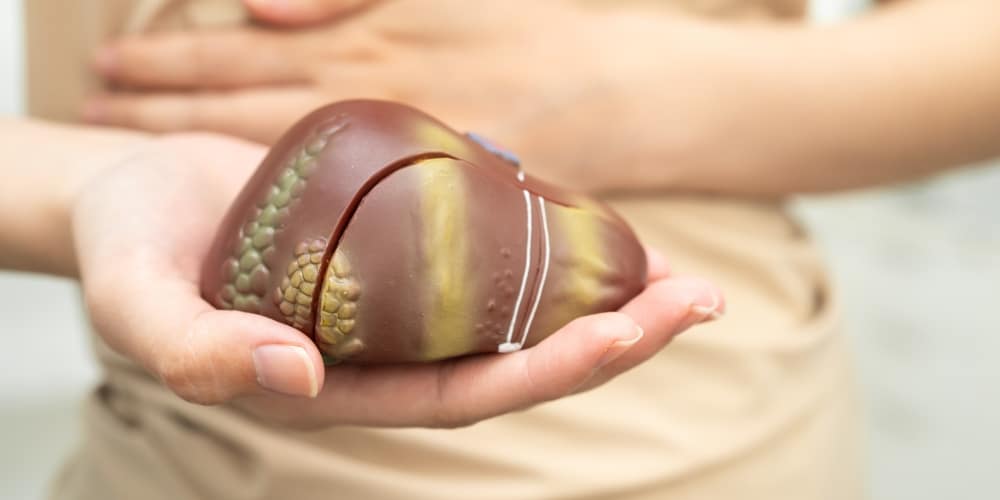
Understanding the progression of fatty liver is one of the most important reasons to act early.
Stage 1 — Simple Steatosis: Fat accumulation in the liver cells. The liver is still functioning normally, just storing more fat than it should. Completely reversible.
Stage 2 — Inflammation (previously called NASH, now MASH): Inflammation is now present alongside the fat. Still reversible with the right intervention, but action is needed.
Stage 3 — Fibrosis: Scar tissue has begun to form. The liver is responding to chronic injury the same way any tissue does — by laying down scar tissue. This is where things become serious, though early fibrosis can still be partially reversed.
Stage 4 — Cirrhosis: Irreversible. The architecture of the liver has been permanently disrupted.
For the vast majority of people diagnosed at Stage 1 or early Stage 2, the outlook is genuinely positive. But it does require understanding what’s driving the problem — not just eating a salad.
Why Does the Liver Accumulate Fat? The Real Causes
This is the section that most patients wish their doctor had spent more time on. If you understand the cause, you understand the solution — and you stop blaming yourself for the wrong things.
The Primary Driver: Insulin Resistance
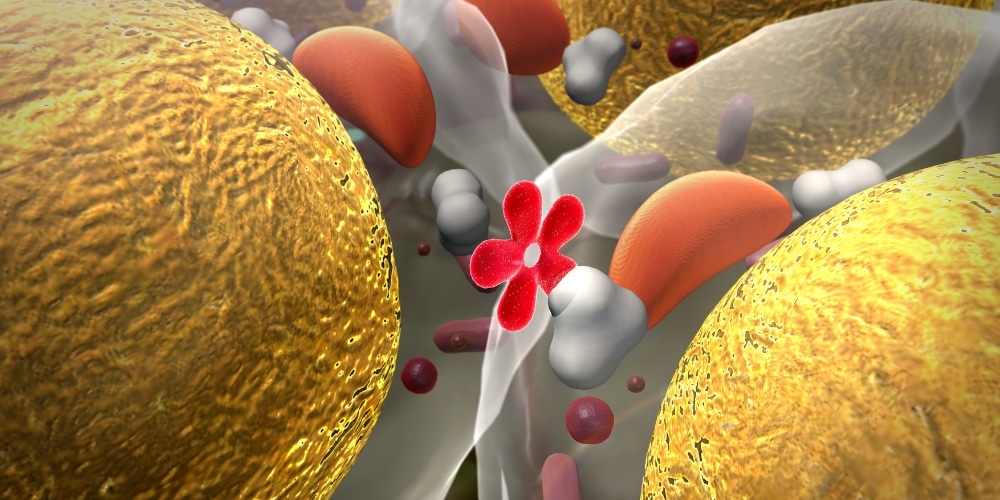
The upstream cause of most cases of MASLD is insulin resistance — not a fatty diet, not laziness.
Here’s how it works: in a healthy system, insulin signals cells to take up glucose from the bloodstream. In insulin resistance, those cells stop responding properly. Glucose keeps circulating at higher levels, insulin keeps rising trying to compensate, and the liver — always trying to help — steps in to do something with all that excess glucose. It converts it to fat through a process called de novo lipogenesis — literally, new fat creation.
To make matters worse, high insulin levels physically prevent the liver from exporting fat back out. So the fat goes in, and the exit door gets locked shut. That’s how a metabolic problem becomes a liver problem.
The Fructose Factor
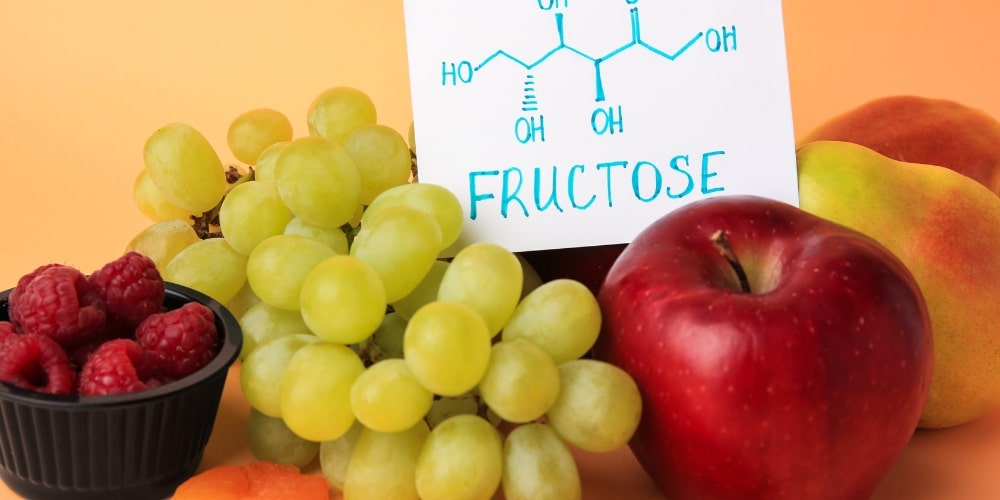
The second major driver — and one that’s dramatically underestimated — is fructose. Specifically, fructose from sugar-sweetened drinks, fruit juices, and processed foods containing high-fructose corn syrup. Fructose from whole fruit is generally fine because the fibre slows its absorption significantly.
Here’s why fructose is different from other sugars: the liver is essentially the exclusive processor of fructose in the body. When you eat glucose, almost every cell can use it for energy. When you drink a can of soft drink, almost all of that fructose bypasses those cells and goes directly to the liver for processing. The liver can only handle so much — the overflow gets converted directly to fat.
Unlike glucose, fructose also doesn’t trigger the satiety hormones that tell your brain you’ve had enough. You can drink 600 calories of fructose and your body doesn’t register it as food. No fullness signal. That’s not a willpower problem — that’s biochemistry.
Choline Deficiency

A cause that’s almost never discussed in mainstream advice is choline deficiency. Choline — found mainly in eggs, liver, fish, and meat — is something the liver needs to package and export fat out of itself. Without adequate choline, fat accumulates even when everything else looks normal. This is particularly relevant for vegetarians and vegans.
The Alcohol Misconception
There is a persistent belief — even among some doctors — that fatty liver is always caused by alcohol, or that elevated liver enzymes mean you must be drinking more than you’re admitting to.
This is not accurate. MASLD — the metabolic form — is significantly more common than alcoholic liver disease. The majority of people diagnosed with fatty liver either don’t drink excessively or don’t drink at all.
The frustrating reality is that metabolic dysfunction, insulin resistance, poor diet, gut health problems, and certain medications can all cause elevated liver enzymes — elevated ALT, AST, and GGT — identical to what alcohol causes. If you’ve been to a doctor with raised liver enzymes and you don’t drink, and you’ve felt like you weren’t being believed, that is a real and common experience caused by this misconception.
Alcohol does worsen outcomes in people who already have fatty liver, and reducing or eliminating it is advisable if you have MASLD. But if you don’t drink, it is one possibility among many — and for most people, it’s not the main one.
Other Contributing Causes
Several other factors are worth knowing about. Sleep apnoea is more strongly linked to fatty liver than most people realise — the repeated oxygen drops at night create oxidative stress in the liver.
Hypothyroidism matters because thyroid hormones regulate fat metabolism in the liver; low thyroid function means fat accumulates more easily.
Chronic stress and elevated cortisol drives visceral fat and insulin resistance.
Certain medications — including corticosteroids like prednisone, tamoxifen, and methotrexate — can directly cause or accelerate fatty liver.
If you’re taking any of these medications and have elevated liver enzymes, that connection is worth discussing with your doctor.
The Gut–Liver Connection
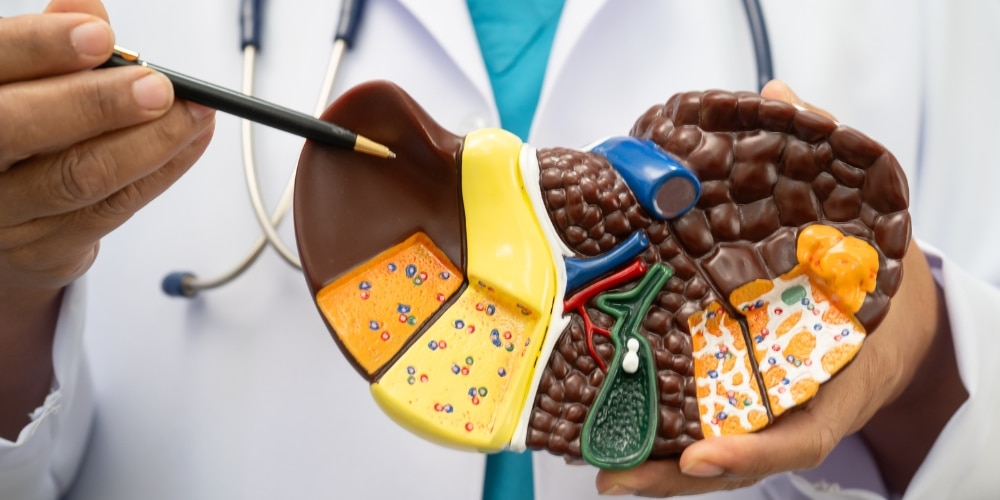
The gut and liver are connected by the portal vein — essentially a direct highway. Everything absorbed from the gut travels along this highway to the liver first, before reaching the rest of the body.
If the gut microbiome is out of balance — a state called dysbiosis — it produces inflammatory compounds called endotoxins that travel straight down that highway to the liver.
Chronic exposure to these compounds drives liver inflammation even when everything else appears normal. This is why treating the gut is part of treating the liver — and it’s a theme that will come up again in the detoxification section below.
How Fatty Liver Is Diagnosed
A lot of people have been given partial information about their diagnosis. Here’s what proper assessment actually looks like.
Blood Tests
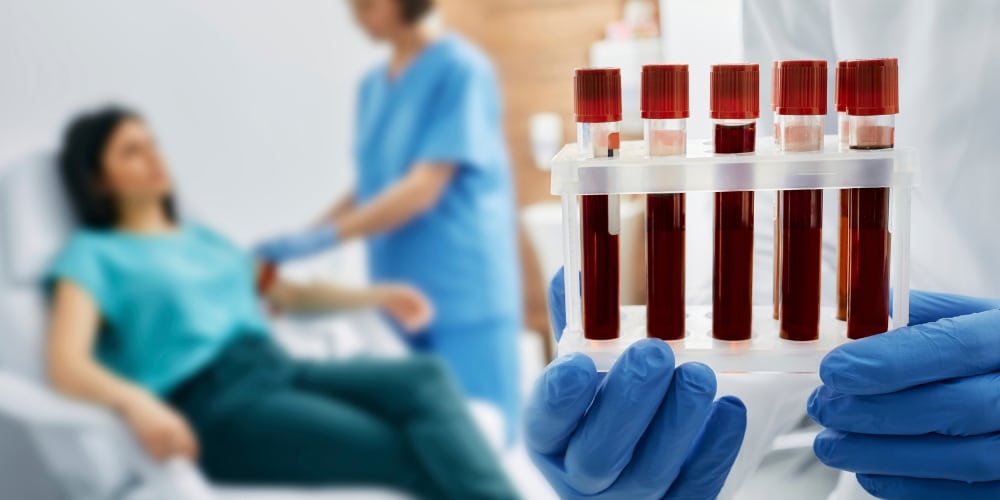
The most common starting point is a blood test showing elevated liver enzymes. ALT (alanine aminotransferase) is the most liver-specific marker — when liver cells are inflamed or damaged, they leak ALT into the bloodstream. AST is similar but also rises with muscle damage and heart issues, making it slightly less liver-specific. GGT is a sensitive marker of liver stress, elevated by alcohol but also by medications and oxidative stress.
If you have both ALT and AST results, the ratio between them is clinically useful: a ratio greater than 2:1 suggests alcoholic liver disease; a ratio less than 1:1 is more typical of MASLD.
Imaging
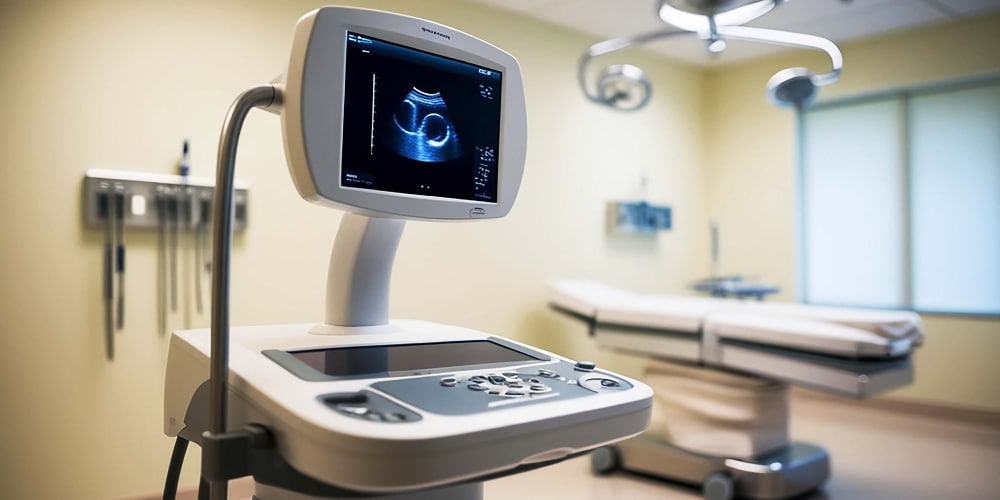
An ultrasound is the most common first-line test and can detect fatty infiltration when more than about 20–30% of the liver is affected. The limitation is that it cannot reliably detect whether fibrosis is present or indicate what stage you’re at.
FibroScan
The gold standard non-invasive staging test is a FibroScan — also called transient elastography. It measures both liver stiffness (which reflects fibrosis) and fat content. If there’s any question about staging, this is the test worth asking for. It’s painless, takes about 10 minutes, and is far more informative than an ultrasound alone.
The FIB-4 Score

There’s also a straightforward calculation called the FIB-4 index, which uses your age, ALT, AST, and platelet count — all available on a standard blood test. A low FIB-4 score reliably excludes significant fibrosis. You can calculate it yourself using your blood results and a free online calculator. This is worth checking if you have your results in front of you.
Liver biopsy — the actual gold standard — is reserved for cases where non-invasive tests are inconclusive. Most patients never need one. FibroScan plus FIB-4 plus clinical context provides enough information for the vast majority of cases.
Diet for Fatty Liver: What the Evidence Actually Says
Cut Liquid Fructose First
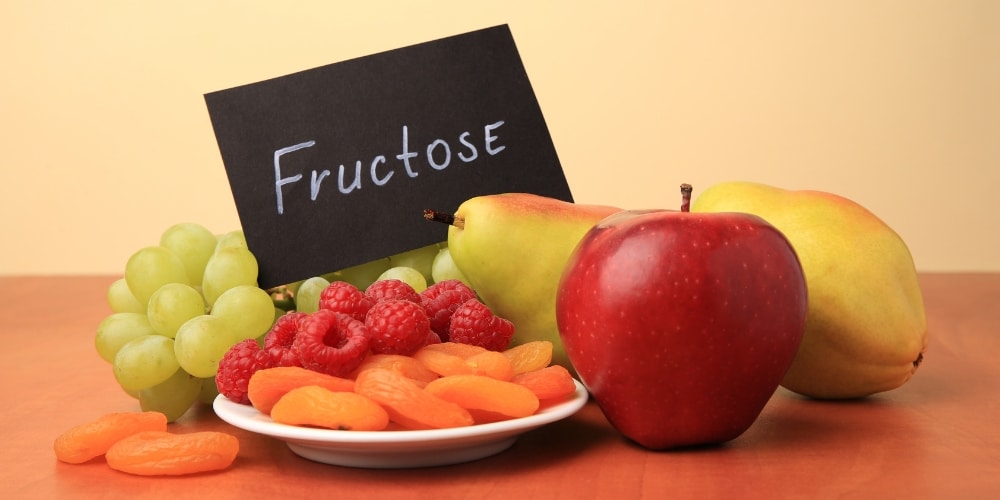
The single most impactful dietary change you can make is eliminating sugar-sweetened beverages — soft drinks, fruit juice, energy drinks, and sweetened coffees. The liver can begin showing measurable improvement in fat content within four to six weeks of eliminating these. Not months — weeks. That’s how significant the impact of liquid fructose is.
This is the first thing to change, and it’s non-negotiable if you have MASLD.
Foods That Actively Support Liver Healing
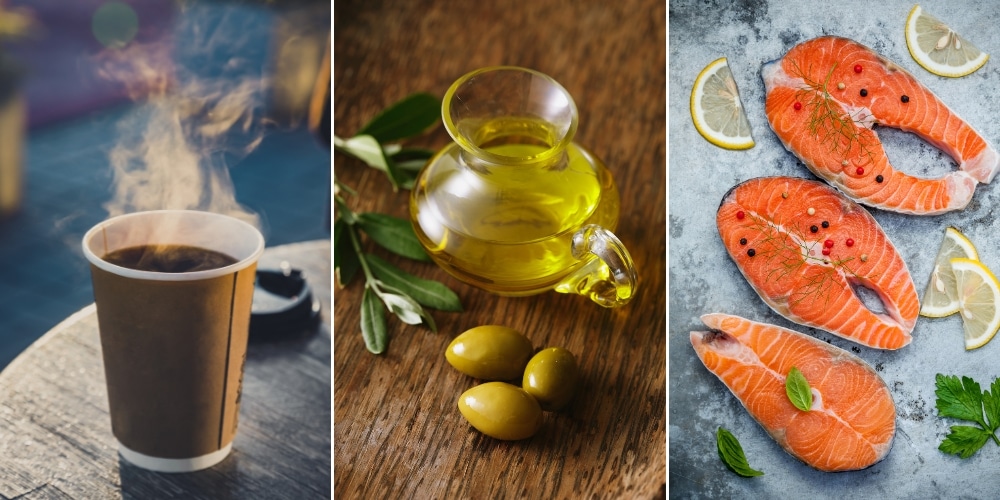
Extra virgin olive oil should be your primary cooking and dressing oil. Multiple studies show it reduces both liver fat and liver inflammation — this is one of those cases where a food is genuinely therapeutic, not just neutral.
Fatty fish — salmon, sardines, mackerel — two to three times a week, for the EPA and DHA omega-3 fatty acids that reduce liver fat and inflammation.
Coffee. Two to three cups of black coffee per day is consistently associated with reduced risk of fibrosis progression across multiple studies. The mechanism involves antioxidant polyphenols and improved insulin sensitivity. This is a well-replicated finding in the research, not a coincidence. If you already drink coffee, keep drinking it.
Cruciferous vegetables — broccoli, cauliflower, Brussels sprouts — contain a compound called sulforaphane that directly supports Phase 2 liver detoxification (more on this below).
Eggs. Eggs have been unfairly demonised for decades. They’re one of the richest sources of choline — the nutrient the liver needs to export fat. Eating eggs is not just acceptable for liver health; based on the choline mechanism, it’s actively beneficial.
Other strong liver-supporting foods include walnuts (omega-3s and polyphenols), green tea (EGCG antioxidants), avocado (glutathione precursors), and oats and legumes (beta-glucan fibre, which supports the gut microbiome).
The Mediterranean Diet and Intermittent Fasting
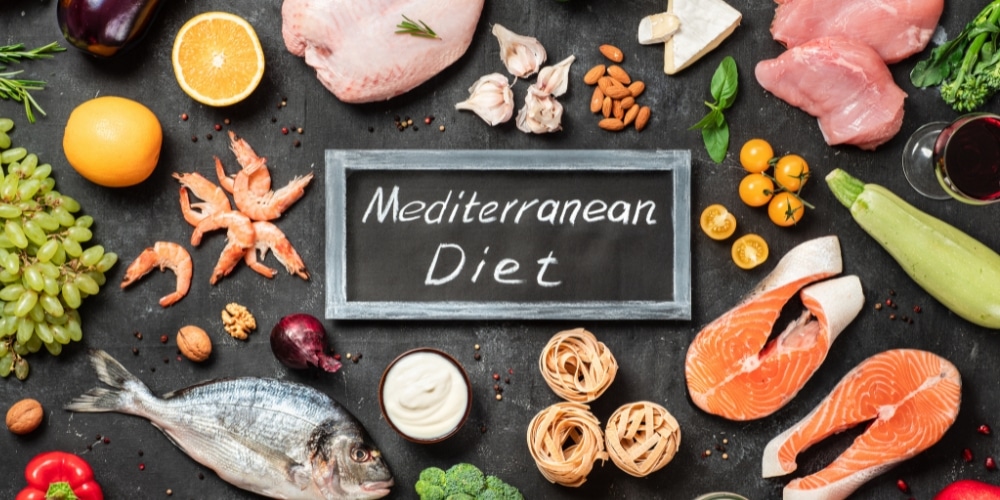
The overall dietary pattern with the most clinical evidence for MASLD is the Mediterranean diet — olive oil, fish, vegetables, legumes, nuts, moderate whole grains, and minimal red meat. Multiple randomised controlled trials show it reduces liver fat more effectively than low-fat diets.
Intermittent fasting — eating within an eight-hour window, or a 5:2 approach — has emerging strong evidence for independently reducing liver fat, even without an overall reduction in calories. The fasting period appears to improve insulin sensitivity and give the liver dedicated time to clear accumulated fat.
Understanding Liver Detoxification: Why Most Detox Products Don’t Work
There is a great deal of misinformation around liver detoxification — and some of it actively makes things worse. If you’ve ever purchased a seven-day liver detox kit, the marketing is understandably compelling. But understanding how liver detoxification actually works explains why most of these products fall short.
The Three Phases
The liver detoxifies through three phases. Think of it as a factory processing hazardous materials.
Phase 1 converts fat-soluble toxins into intermediate compounds so they can be processed further. The critical thing most people don’t know is that the products of Phase 1 are actually more reactive and more toxic than the original compounds. It’s like cracking open a sealed canister of something dangerous — the contents have to be handled carefully, or the situation gets worse.
This is precisely what many commercial detox kits do: they stimulate Phase 1 through caffeine and certain herbs, but if Phase 2 is not properly supported at the same time, you’re left with a backlog of reactive intermediates creating oxidative stress in the liver. Some people feel genuinely worse during these detox kits — and this is why.
Phase 2 is the packaging phase. Six different chemical pathways take those reactive intermediates and wrap them in water-soluble carriers so they can be safely transported out. The nutrients that support this are glutathione (which is why NAC is so valuable), sulforaphane from cruciferous vegetables, B vitamins, magnesium, glycine, and taurine. When Phase 2 is properly supported alongside Phase 1, the system works exactly as designed.
Phase 3 is the exit route. The packaged toxins are loaded into bile, released into the small intestine, and from there should exit via the bowel.
The Package Thief: Beta-Glucuronidase
Here’s where something clinically important happens. There’s an enzyme called beta-glucuronidase, produced by certain less-helpful bacteria in the gut. This enzyme acts like a package thief — it intercepts the liver’s neatly packaged toxins in the gut and unwraps them, releasing them back into circulation to be reabsorbed.
Beta-glucuronidase can be tested with the GI Map test or the Gut Zoomer test.
This is why some people can eat perfectly, take every supplement on the list, and still have persistently elevated liver enzymes. The gut is actively undoing the liver’s work, and standard treatment never addresses this.
The solutions for Phase 3 are: adequate fibre (around 30 grams per day) to keep the bowels moving daily — if you’re not having a bowel movement every day, Phase 3 is stalled. Adequate hydration. TUDCA (tauroursodeoxycholic acid), which supports bile flow. And in cases where beta-glucuronidase is elevated, targeted treatment with calcium D-glucarate and specific probiotics can make a significant difference.
Key Supplements for Fatty Liver
Not all supplements are equally well-supported by research. Here’s an honest breakdown of what the evidence actually shows.
Vitamin E
Vitamin E is the most evidence-backed supplement specifically for NASH — the inflammatory stage. It is the only supplement with positive randomised controlled trial data specifically for NASH in non-diabetic patients, with multiple trials showing significant reductions in liver inflammation and liver enzymes.
The caveat: high-dose Vitamin E is not recommended long-term without monitoring, and it’s most appropriate if you have confirmed NASH rather than simple steatosis.
NAC (N-Acetyl Cysteine)
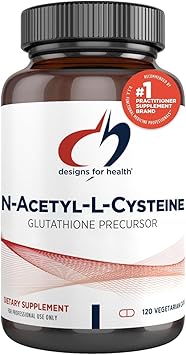
NAC is a precursor to glutathione — the liver’s master antioxidant. When the liver is processing toxins through Phases 1 and 2, glutathione gets depleted. NAC replenishes it. Studies show it reduces liver enzyme levels and protects liver cells from oxidative damage. This is one of the most consistently useful supplements in a liver recovery protocol.
Omega-3 (EPA and DHA)

Omega-3 fatty acids are supported by multiple randomised controlled trials for reducing hepatic triglycerides (fat stored in the liver) and for improving insulin sensitivity. Quality and dose matter significantly here — a therapeutic dose of a high-quality triglyceride-form omega-3 is not the same as a standard supermarket fish oil capsule.
Choline and Phosphatidylcholine
As discussed in the causes section, choline is essential for fat export from the liver. If you eat eggs and animal protein regularly, you’re likely getting adequate dietary choline. If you don’t, supplemental choline or phosphatidylcholine — the form found in cell membranes — is worth adding. This is especially important for vegetarians and vegans with MASLD.
Berberine
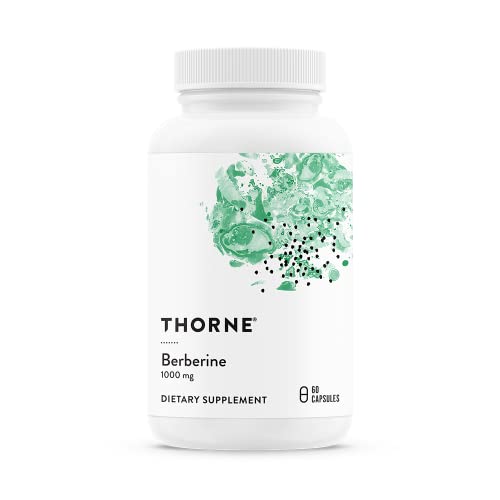
Berberine activates an enzyme called AMPK — sometimes called the body’s fat-burning switch. Multiple trials show it reduces liver fat and liver enzyme levels, with some studies showing effects comparable to metformin for improving insulin sensitivity. The evidence here is genuinely impressive.
Magnesium
Magnesium is commonly deficient in people with MASLD, and it affects multiple pathways simultaneously — insulin sensitivity, blood sugar regulation, and Vitamin D activation. It’s worth assessing with an RBC magnesium test rather than standard serum magnesium, because serum levels can look normal even when tissue stores are low.
Herbal Medicine for Fatty Liver
Herbal medicine has a long history in liver treatment, and some of it is well-supported by clinical research. Here are the herbs with the strongest evidence.
Milk Thistle (Silymarin)

Milk thistle is the most studied hepatoprotective — liver-protecting — herb in the world, and it deserves that status. The active compound, silymarin, stabilises liver cell membranes making them more resistant to toxin penetration, reduces inflammation, and stimulates liver cell regeneration.
Multiple randomised controlled trials show significant reductions in ALT and AST. It also directly supports Phase 2 detoxification through the glutathione pathway. This is probably the single most useful herbal medicine for fatty liver and forms the foundation of most liver protocols.
Turmeric / Curcumin
Curcumin is a potent anti-inflammatory that targets one of the main inflammatory signalling pathways involved in NASH. Several randomised trials show reduced liver enzymes and reduced hepatic fat. The important caveat: standard turmeric powder has very poor absorption.
For therapeutic effect, you need a bioavailable formulation — either a phytosome complex or one combined with piperine. The amount of turmeric you’d use in cooking is nowhere near what’s needed clinically.
Artichoke Leaf Extract
Artichoke leaf extract increases bile production and bile flow, directly supporting the Phase 3 exit route discussed above. Clinical trials show reductions in both liver fat and liver enzymes. It’s particularly useful if digestion feels sluggish or there’s a history of gallbladder issues.
Dandelion Root
Dandelion root is a traditional liver tonic with a long history of use. The randomised trial evidence is less extensive than the herbs above, but it’s well-tolerated, improves bile flow, and has a very strong safety record. It works well as part of a broader liver support protocol.
Schisandra
Schisandra is a Traditional Chinese Medicine herb that’s gaining well-deserved research attention. It directly induces Phase 2 detoxification enzymes and has shown significant reductions in liver enzymes in clinical studies. It’s worth considering when ALT and AST remain persistently elevated despite addressing the basics, and has a good safety profile.
Advanced Testing: When the Basics Aren’t Enough
For most people, the changes covered in this article will produce significant improvement. But if you’ve done the diet, the supplements, and the lifestyle changes consistently for two to three months and liver enzymes still won’t normalise, there’s usually a gut component that hasn’t been identified.
GI-MAP Stool Test
The GI-MAP stool test measures beta-glucuronidase directly — that package-thief enzyme from the detoxification section. Elevated beta-glucuronidase is often the missing piece for people who are doing everything right and still not getting there.
The treatment is targeted: calcium D-glucarate to inhibit the enzyme, and specific probiotics to shift the bacterial population away from the species producing it.
A GI-MAP test can identify this, along with broader gut imbalances that may be driving liver inflammation through the gut-liver highway. The Gut Zoomer test is another good option.
Other Functional Markers Worth Asking About
Fasting insulin and HOMA-IR are the most important tests that most people have never had done. These directly quantify insulin resistance — the primary driver of MASLD — and most standard panels only check fasting glucose, which misses early insulin resistance entirely.
Serum ferritin is often elevated in MASLD and reflects underlying inflammation. Uric acid is commonly high with fatty liver and worsens with fructose intake. An advanced lipid panel looking at LDL particle number and the triglyceride-to-HDL ratio gives a far better cardiovascular risk picture than standard cholesterol testing.
RBC magnesium is a much more accurate measure of magnesium status than serum magnesium, and given magnesium’s central role in insulin sensitivity and Vitamin D activation, it’s worth assessing properly.
A Practical 5-Step Plan
Step 1: Cut liquid fructose completely
Soft drinks, fruit juices, energy drinks, sweetened coffees — all of them. This is the highest-impact single change you can make, and the liver can show measurable improvement within four to six weeks. Start here.
Step 2: Get your bowels moving daily and increase fiber
Phase 3 liver detoxification is physically impossible if you’re constipated. Aim for around 30 grams of fiber per day — oats, legumes, vegetables, psyllium husk if you need extra support. This is not glamorous advice, but it is foundational.
Step 3: Start the core supplement protocol
Milk thistle and NAC form the foundation. Add omega-3s for fat reduction and anti-inflammatory effect. Ensure Vitamin D is adequate — and remember, magnesium is needed for Vitamin D to activate properly. If you have confirmed NASH specifically, Vitamin E is worth adding with your doctor’s knowledge.
Step 4: Move your body
Thirty minutes of walking daily, plus two resistance training sessions per week. Exercise reduces liver fat independently of weight loss — even if the scale doesn’t move, the liver responds to movement. This is one of the most reliably proven interventions in the research.
Step 5: Get the right tests
If liver enzymes don’t normalise after three months of consistent change, ask your doctor to calculate your FIB-4 score from your existing blood results and ask about a FibroScan for staging. If you want to go deeper on the gut connection, a GI-MAP stool test to check beta-glucuronidase can identify whether gut bacteria are actively undermining your liver’s recovery.
Your liver is not your enemy. It hasn’t failed you — it has been overwhelmed by modern food, metabolic stress, and compounds it was never designed to handle at the quantities we’re now exposed to. Give it what it needs, remove what’s overwhelming it, and get out of its way.
The liver is genuinely extraordinary at healing itself — but only when given the right conditions to do so.

Still not sure what Is driving your symptoms?
If you’ve been trying to fix this on your own but aren’t seeing results, it may be time to look deeper.
I offer personalised, one-on-one consultations to identify the root cause and create a plan tailored specifically to you.
Frequently Asked Questions
Can fatty liver really be reversed completely?
Yes — at Stage 1 and early Stage 2, fatty liver is completely reversible. The liver is one of the very few organs in the body capable of regenerating itself. With the right dietary changes, targeted supplementation, and addressing the root cause (usually insulin resistance), many people see significant improvements in liver enzyme levels within three to six months. The earlier you act, the better the outcome.
I don’t drink alcohol. How did I get fatty liver?
This is far more common than most people realise. The metabolic form of fatty liver — MASLD — is driven primarily by insulin resistance, excess fructose intake, choline deficiency, gut health issues, certain medications, and conditions like hypothyroidism or sleep apnoea. Alcohol is one cause among many. The majority of people with fatty liver either don’t drink excessively or don’t drink at all.
What blood tests should I ask my doctor for?
Beyond ALT and AST, the most useful additional markers are fasting insulin and HOMA-IR (to quantify insulin resistance), GGT, serum ferritin, uric acid, and a triglyceride-to-HDL ratio. Your FIB-4 score can also be calculated from your existing results. If you want to assess magnesium properly, ask specifically for an RBC magnesium — not standard serum magnesium.
Could gut issues be driving my fatty liver?
Yes, and this is one of the most underappreciated aspects of liver health. The gut and liver are directly connected by the portal vein, meaning everything absorbed in the gut reaches the liver first. Gut dysbiosis produces inflammatory compounds that drive liver inflammation, and an enzyme called beta-glucuronidase — produced by certain gut bacteria — can undo the liver’s detoxification work. If you’ve been doing everything right and your liver enzymes won’t shift, a GI-MAP stool test can identify whether the gut is the missing piece. A Gut Zoomer test can also provide a broader picture of microbial imbalances driving inflammation.
Are milk thistle and turmeric actually effective, or is that just marketing?
Milk thistle (silymarin) has some of the strongest clinical evidence of any hepatoprotective supplement — multiple randomised controlled trials show significant reductions in ALT and AST. Turmeric/curcumin also has solid trial evidence for reducing liver fat and inflammation, but only in bioavailable forms. Standard turmeric powder or cheap capsules are not absorbed well enough to have a therapeutic effect. The evidence here is genuine, but product quality matters significantly.
How long will it take to see improvement?
It depends on the stage and how comprehensively the root cause is addressed. Eliminating liquid fructose alone can produce measurable reductions in liver fat within four to six weeks. A full protocol — diet, exercise, targeted supplements — typically shows meaningful improvements in liver enzyme levels within three months. Significant improvements in liver fat content on imaging are usually visible within six months of consistent effort.